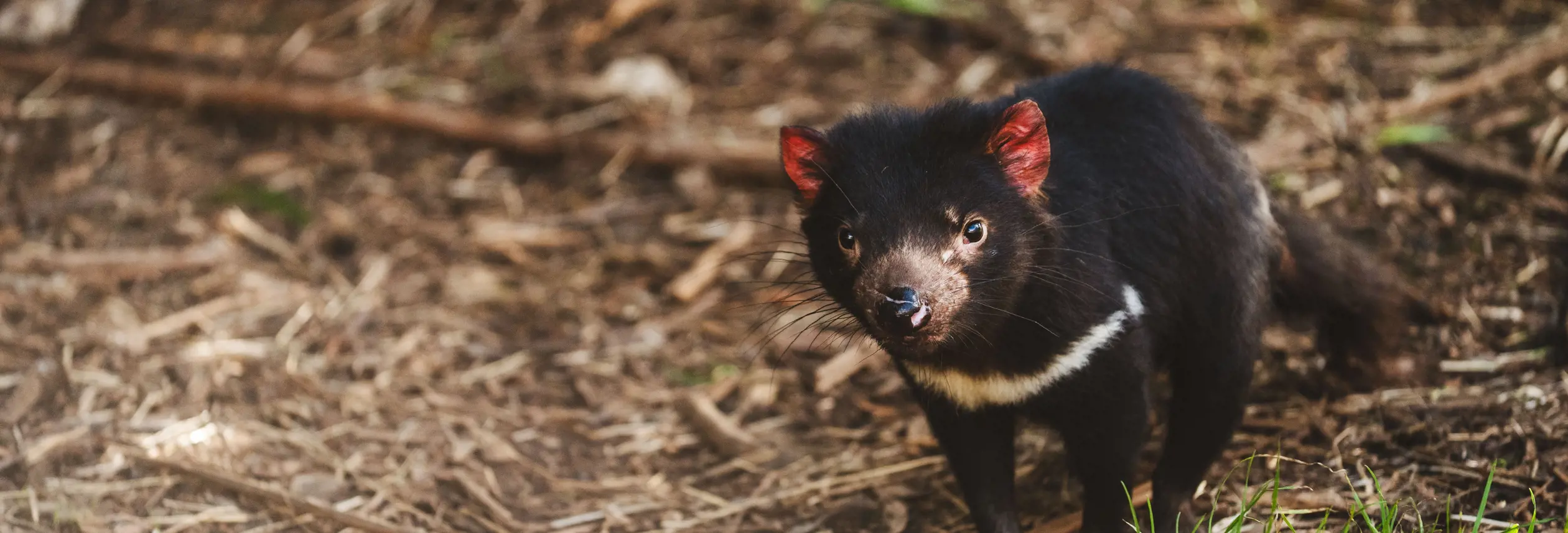
Wings Wildlife Park, Gunns Plains
Stu Gibson
WILD NATURE
From UNESCO World Heritage wilderness, unusual plants and animals that evolved in isolation, to landscapes that are increasingly hard to find in the world, Tasmania is an island ark for nature found nowhere else on Earth.
Bushwalking, wildlife encounters, coastal experiences, mountain adventures, seasonal natural spectacles: Tasmania's nature based experiences attract visitors looking for authentic connections with the natural world.
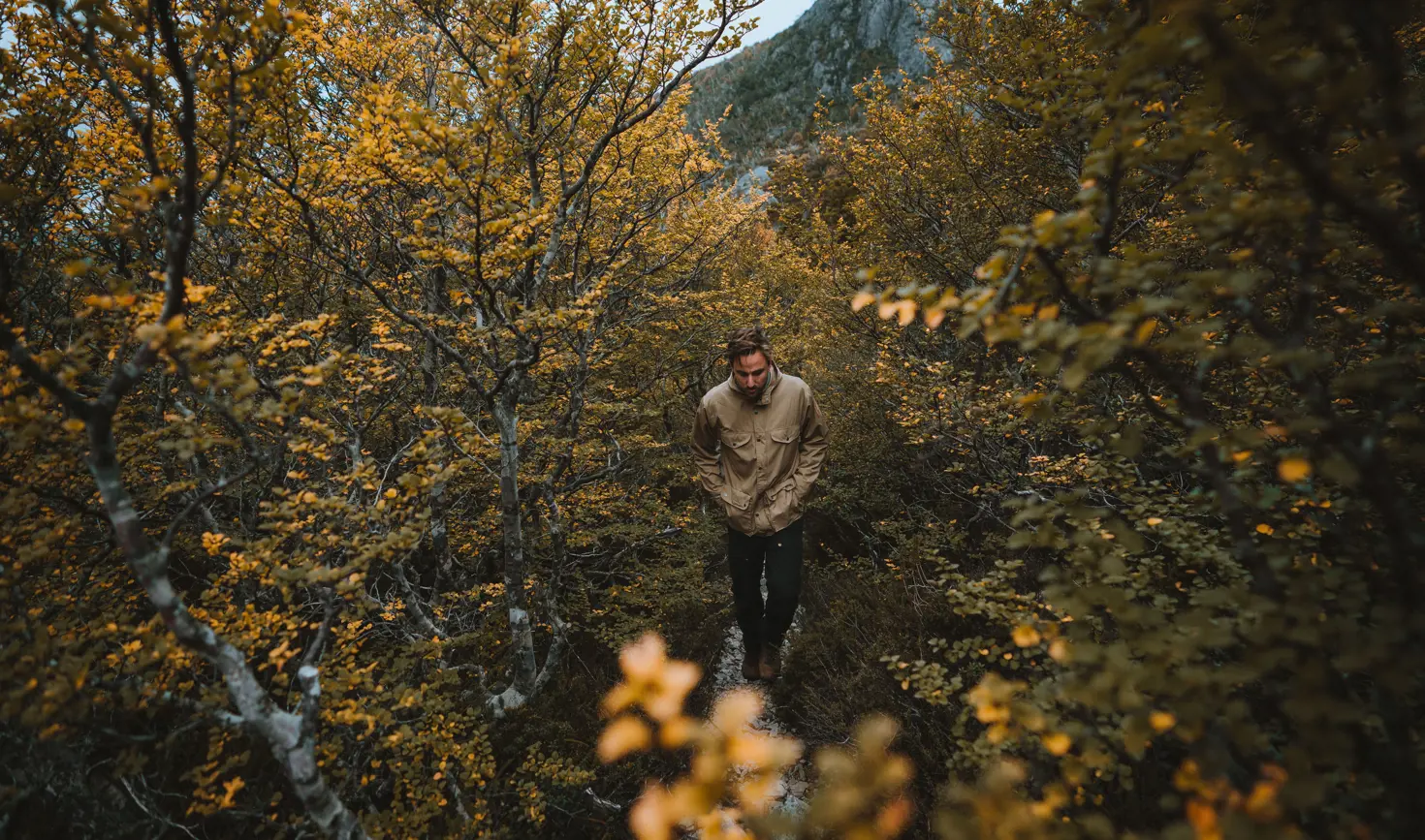
Cradle Mountain-Lake St Clair National Park
Emilie Ristevski
What the research tells us
Experiencing wilderness, wildlife and natural scenery has consistently been a strong influence for visitors travelling to Tasmania, for both domestic and international visitors.
Bushwalking is one of the most popular experiences for interstate and international visitors, enjoyed by more than 630,000 visitors a year. Shorter bushwalks attract nearly 490,000 visitors annually, while longer walks draw nearly 180,000 walking enthusiasts.
58% of holiday travellers visit at least one national park. Popular national parks to visit include Cradle Mountain – Lake St Clair, Franklin – Gordon Wild Rivers, Mount Field, Walls of Jerusalem, Southwest, Hartz Mountains and Mole Creek Karst.
UNESCO recognition
The Tasmanian Wilderness World Heritage Area meets seven of 10 selection criteria. Only one other site in the world ticks this many boxes, Mount Taishan in China.
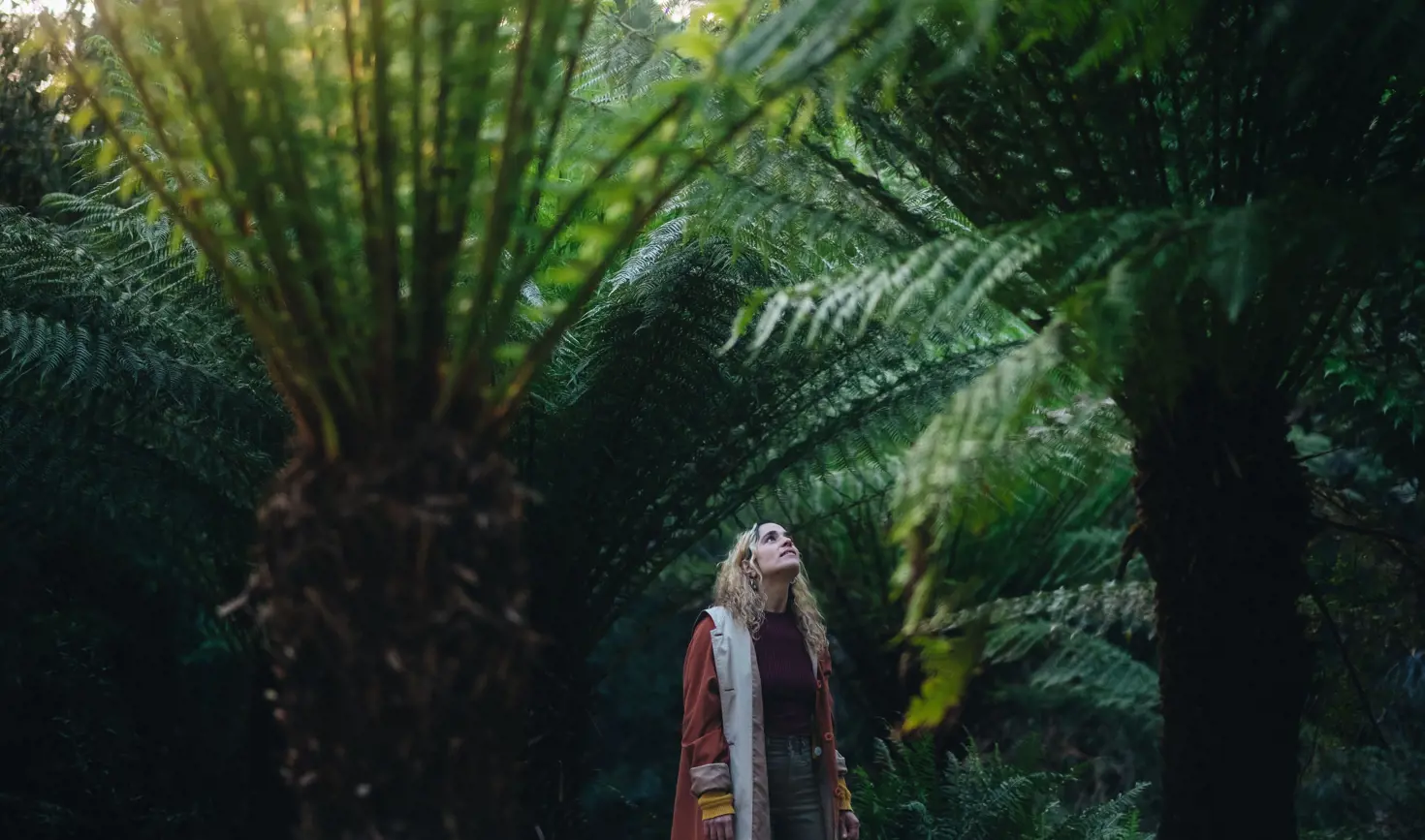
Waterworks Reserve, Hobart
Harrison Candlin - Vagary
What sets Tasmania's wild nature apart
Geographic isolation: More than 12,000 years of separation has created unique biodiversity and endemic species found nowhere else on Earth, including the Tasmanian devil, Tasmanian pademelon, Eastern bettong and 12 endemic bird species, as well as Huon pine trees more than 1,000 years old and towering mountain ash, the tallest flowering plant on the planet.
Conservation stronghold: More than half of Tasmania has some form of conservation classification. The island is a refuge for species extinct or endangered on mainland Australia, with relatively intact ecosystems and few introduced predators.
Southern Lights: One of the few places in the world to see the Aurora Australis.
World's cleanest air: The world's cleanest air is scientifically measured and verified at Kennaook / Cape Grim Baseline Air Pollution Station, blowing straight off the Southern Ocean.
TVS Analyser
Key messages: talking about wild nature in Tasmania
Wilderness accessible from cities: About 40% of the island is protected as national parks, reserves and UNESCO World Heritage wilderness. Much of it sits within easy reach of Tasmania's main towns and cities.
Dramatic and diverse landscapes: The island's landscapes vary dramatically: ancient cool temperate rainforests scented with sassafras and myrtle, tannin stained rivers winding through narrow gorges, windswept alpine plateaus dotted with glacial tarns, forests of towering eucalypts, white sand beaches and wave battered coastlines, waterfalls cascading over mossy rocks and limestone cave systems where glowworms illuminate underground chambers. Mountains to coast, all on one compact, accessible island.
Adventure for everyone: Tasmania is a place for outdoor adventure, however you define it. Hike World Heritage wilderness tracks or ride mountain bike trails through rainforest. Surf uncrowded beaches, paddle secluded coastlines and cast for wild trout in mountain streams. Explore underground caves or stand quietly among the trees and breathe it all in.
Four distinct seasons: The island has four distinct seasons, each with its own character. Look for snow dusted peaks on sunny winter days and (maybe) Southern Lights in the dark night skies, bursts of wildflowers and gushing waterfalls in spring, long days and sparkling beaches in summer, farm fresh harvests and colourful turning of the fagus, Tasmania's only deciduous native tree, in autumn.
Wildlife on land and sea: See wildlife in natural settings across Tasmania's national parks and reserves, wombats grazing on grassy slopes, wallabies hopping through trees, echidnas snuffling among leaves, seals and dolphins frolicking in coastal waters. Specialist wildlife experiences including sanctuaries, guided tours and marine cruises offer closer encounters while supporting conservation and education about Tasmania's unique species.
Conservation and connection: These islands have always been the ancestral homeland of Palawa (Tasmanian Aboriginal) people. Palawa owned tourism experiences allow visitors to form deeper connections with island wilderness, learning about resilient history, enduring connection to Country and sustainable custodianship of Tasmania's wild places.
Keep wildlife wild: Seeing native animals in their natural habitat is something special, unexpected and unpredictable. Keeping a respectful distance from wildlife (at least 2m, or 6.5ft), avoiding loud noises and resisting the temptation to feed or touch animals will help them stay wild and ensure they continue to thrive.
Explore more content pillars
-------------------
Sources
All data sourced from the Tasmanian Visitor Survey YE Sept 2025