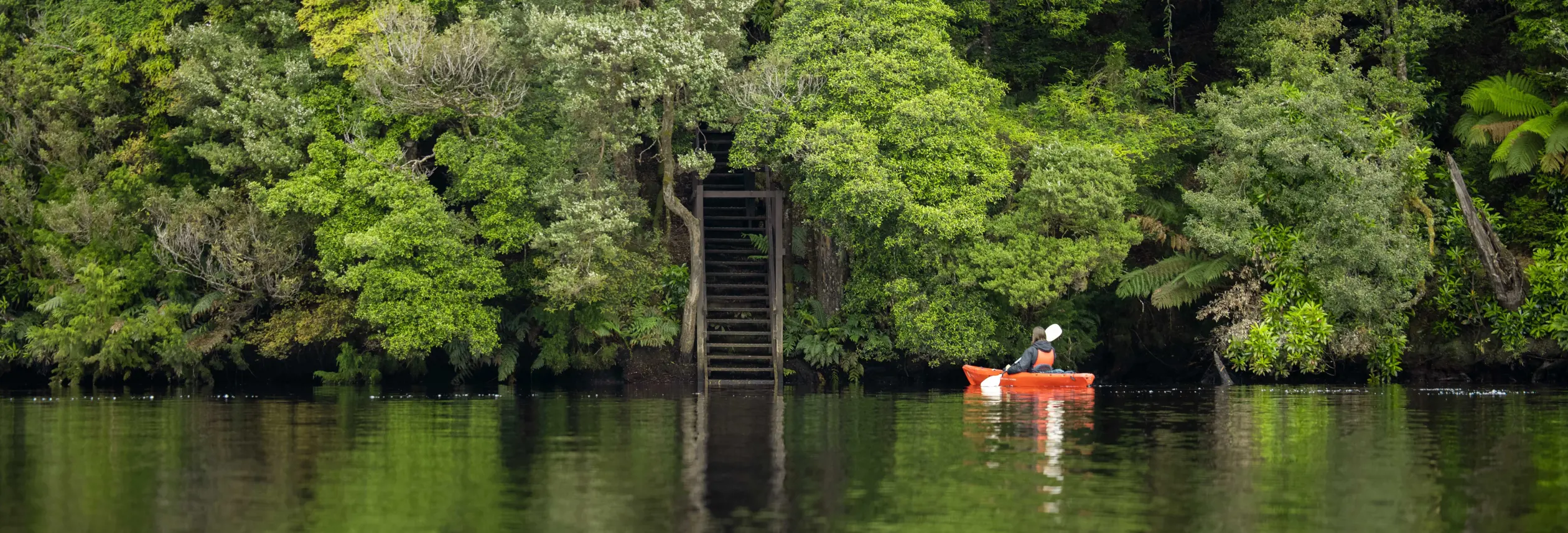
Pieman River, Corinna
Jess Bonde
Marketing your business online
Running a tourism business means you've already got a hundred things to do. Marketing it online can feel like one more thing to figure out, especially when the landscape keeps shifting underneath you.
We've put together practical guidance on how to market your business digitally. Whether you're starting from scratch or looking to sharpen what you're already doing, you'll find something useful here.
Find your starting point
Choose the path that best describes where you are with digital marketing.
Just getting started
You have a business but limited or no digital presence. Start with the three foundations: complete your ATDW listing, set up your Google Business Profile, make sure your website is specific about what you offer.
You have the basics
You have a website and a Google profile. Focus on making sure your channels say the same thing, making your content more specific, and testing your AI visibility.
Going further
You have the foundations and want to show up in AI search and use AI tools to help with the work.
The foundations - how people find you
Digital marketing isn't just a website. It's the full picture of how potential visitors find you, learn about you, decide to book, and tell others about their experience. You don't need to do everything at once. You need to do the right things well.
Most visitors start their research digitally, searching, scrolling, asking AI tools, and comparing options, often well before they've committed to a destination. You need to show up in those moments with enough information to earn their interest.
That means being visible across more than just your website. Your Google Business Profile, your ATDW listing, your social presence, and the AI systems that are increasingly shaping travel recommendations all play a role in whether someone finds you or finds someone else.
Think about a cellar door in a wine region. Someone searching for that experience near a particular town might find it across Google search, Google Maps, an ATDW listing, and a booking platform, all showing the same information. That consistency is what makes a business easy to find and easy to book. Gaps or contradictions between those sources create friction, and friction costs bookings.
Your digital channels
Each channel plays a different role in how visitors find and choose your business. Here's what to know about each one.
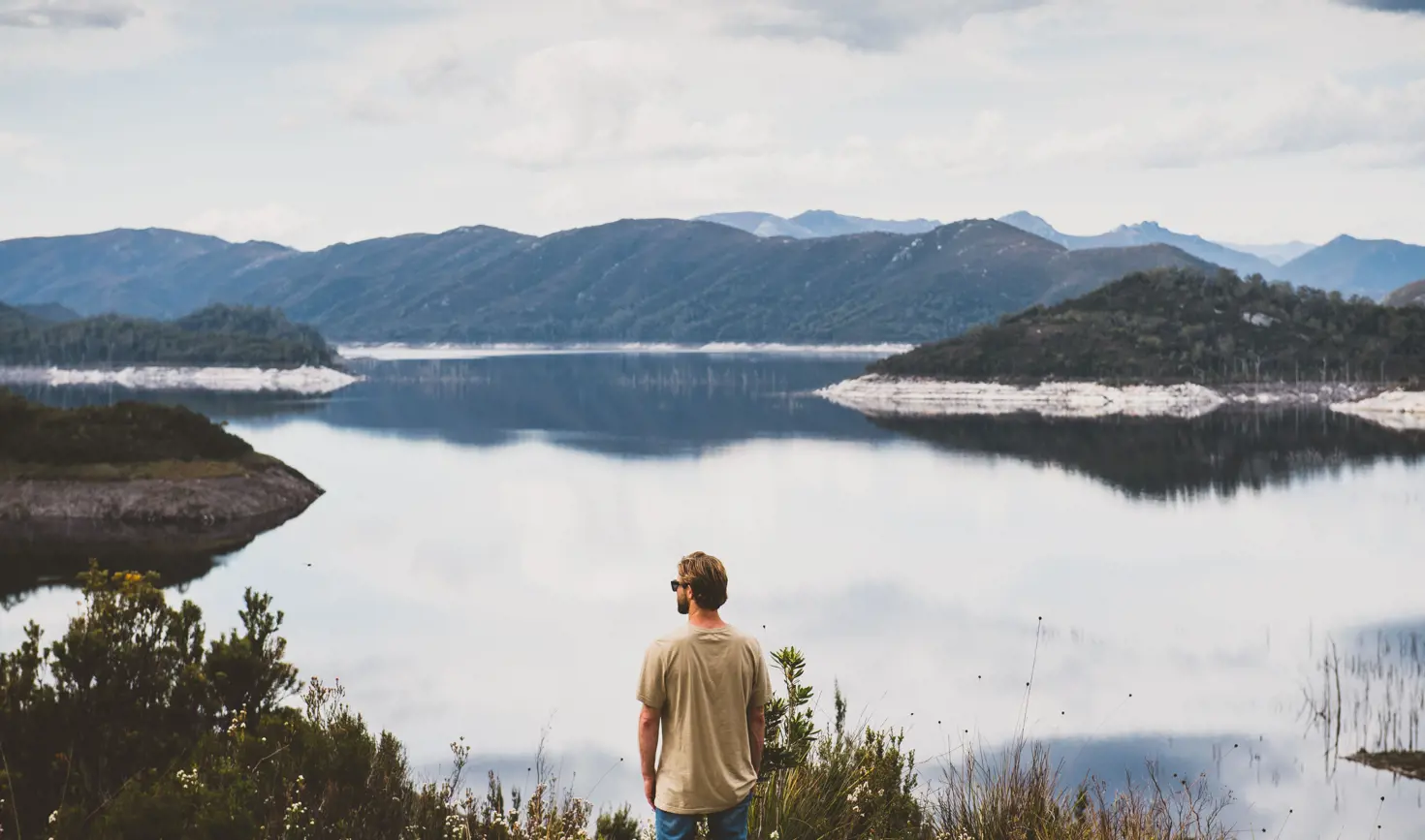
Lake Gordon, Strathgordon
Stu Gibson
Google Business Profile If someone searches for you by name, or searches for experiences near a location, your Google Business Profile is often the first thing they see. It controls what shows up in Google Maps and local search results. Make sure your hours, contact details and photos are current. Respond to reviews. Fill in the Q&A section. Most operators have a profile but haven't fully set it up. Filling it in properly takes about an hour and the impact on both search and AI visibility can be significant.
ATDW listing The central database that feeds operator information across Australian tourism platforms. Fill in your profile once and it pushes your information to dozens of places automatically, including Discover Tasmania and Australia.com. An incomplete or outdated profile is a gap in the picture AI systems build of your business. It's free and foundational.
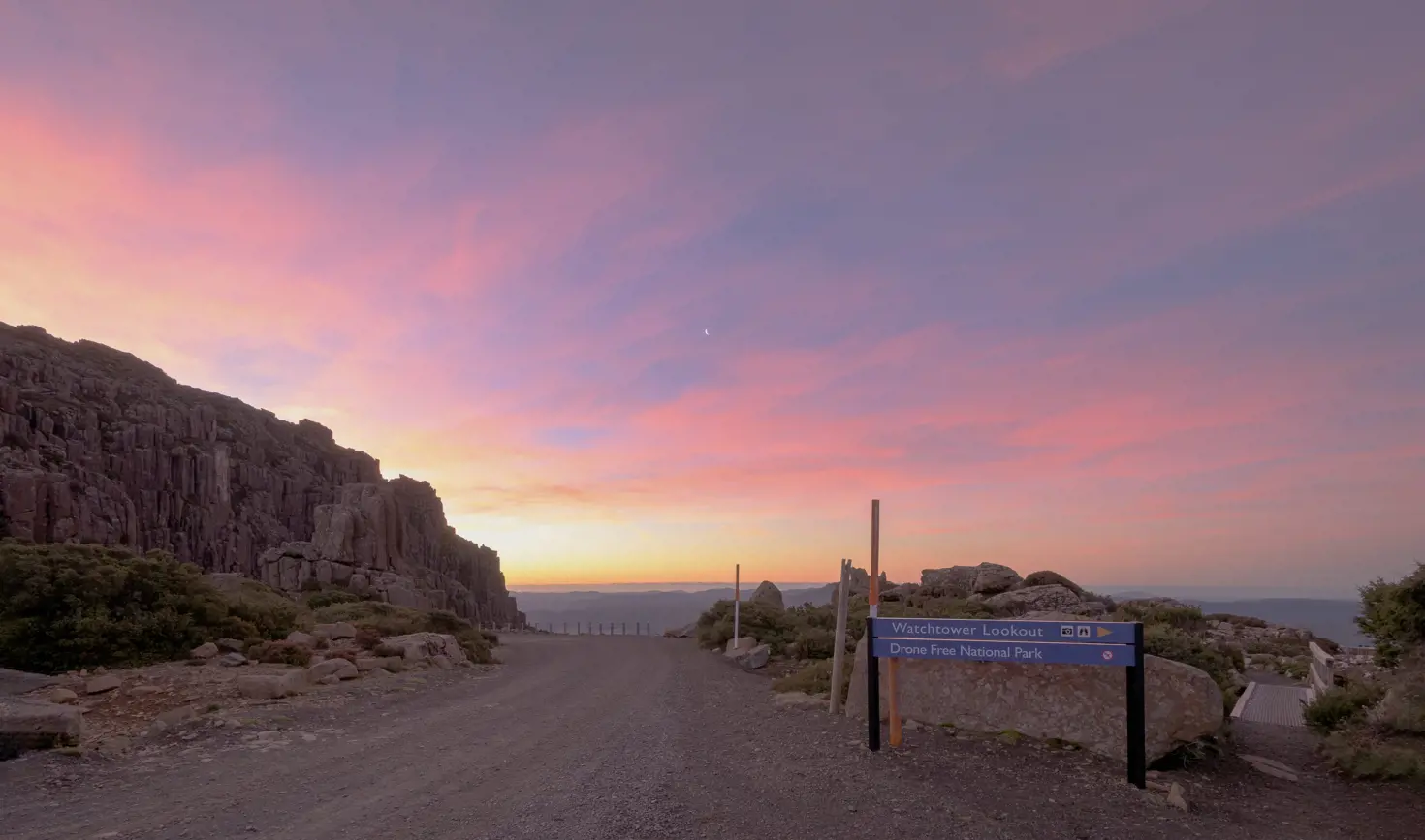
Watchtower Lookout, Ben Lomond National Park
Simon Sturzaker
Your website Your shopfront. It needs to answer the basic questions quickly: what you offer, where you are, what it costs, how to book. Generic descriptions could apply to any operator anywhere. Content that is genuinely and specifically yours is what sets you apart and what search engines and AI systems look for when deciding which businesses to surface.
Social media A great way to build familiarity over time. Show the real experience. Genuine content specific to your place travels further than polished promotional material. Consistency matters more than production value.
Video One of the most powerful ways to show what an experience actually feels like. You don't need professional production. Genuine footage shot on a phone, showing something real about your place and your experience, is often more compelling than polished content. YouTube is worth considering for experience-based operators as videos can surface directly in Google results.
Email An owned audience. Even a small, well looked after list is worth more than a large social following you don't control. If you're collecting emails from guests, that's an asset worth using.
Reviews Reviews influence decisions and feed directly into how AI systems assess and recommend businesses. Responding to them, good and bad, shows there's a person behind the business. That matters to travellers looking for something genuine.
How people find you now
Online search has changed. AI tools are now part of how travellers plan and book, and that changes what good digital marketing looks like. Understanding the shift from traditional search to AI-powered discovery is the most important thing you can do to future-proof your digital presence.
Your digital action plan
- Update your ATDW listing. Complete, accurate, and current. This is the single action with the broadest reach.
- Set up or complete your Google Business Profile. Fill in every section, add recent photos, respond to your reviews, and populate the Q&A section.
- Test your website. Search for your own business in Google and in an AI tool. Note where you appear, what information comes up, and where the gaps are.
- Check your consistency. Make sure your business name, location, experience descriptions, and contact details say the same thing across every platform.
- Read the discoverability landscape page, linked below. The way people search for travel experiences is changing.