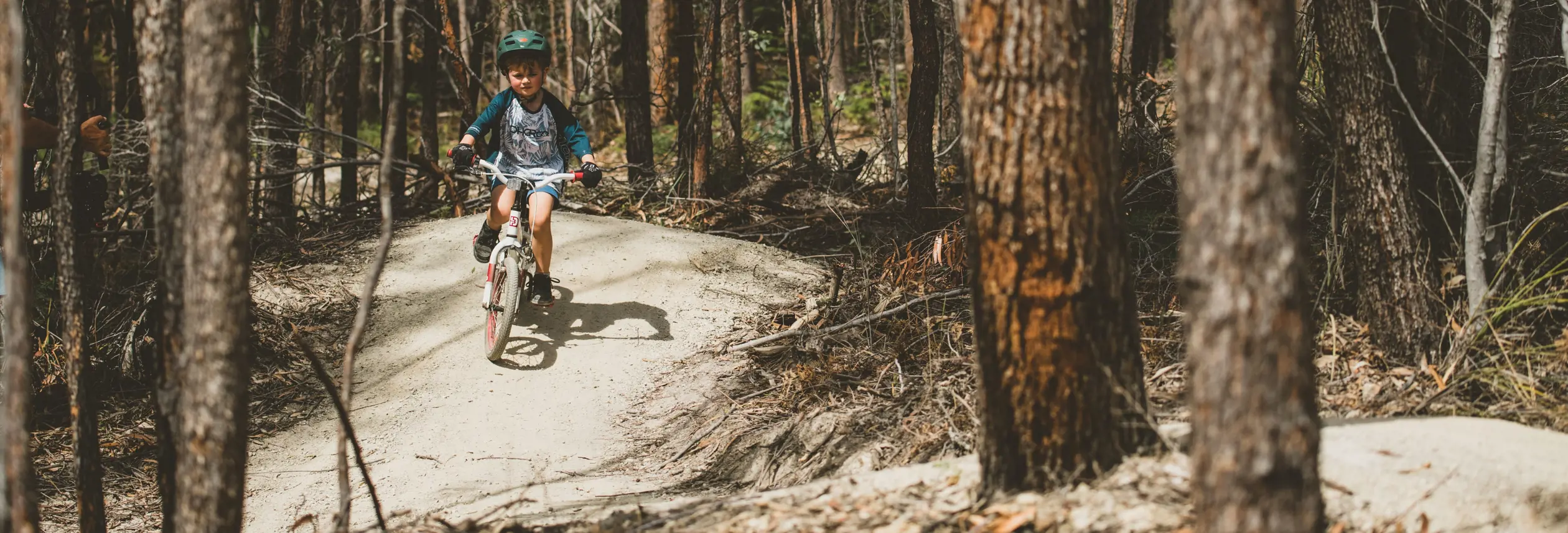
St Helens, East Coast
Stu Gibson
Sustainability & Positive Impact
Travel is changing. Visitors increasingly want to know how their travel affects the places they visit, and they look for operators who genuinely care about the environment and the communities they're part of.
Tasmania's ancient landscapes, clean air and community focus are part of the reason people come here. They're also responsibilities we take seriously.
Our 2030 Visitor Economy Strategy is clear: we want Tasmania's visitor economy to maximise the good, minimise the harm, and share the benefits broadly. This is what we mean by positive impact. Direction 1 of the strategy sets the ambition of Tasmania being a leading destination for climate conscious travel, while Direction 2 focuses on proactively managing growth to protect and enhance Tasmania's brand, environment and community values.
Our research shows this matters to the visitors we want to attract. Both prospective and actual visitors to Tasmania identify supporting local businesses, clean air and water, experiencing protected nature, and consuming local produce as the top four factors contributing most positively to their travel experience. Over 7 in 10 visitors tell us they feel better after a trip to Tasmania, and 89% intend to return.
For tourism operators, sustainability is not just about doing the right thing. It's a genuine competitive advantage and increasingly expected by both domestic and international visitors. Our target segments, including Positive Impact Travellers, Conscious Adventurers and Discoverers, actively seek operators who share their values around sustainability, authentic experiences and positive destination impact.

Kittawa Lodge, King Island
Emilie Ristevski
What sets Tasmania apart
Protected landscapes: Over 40% of Tasmania is protected as national parks, reserves and World Heritage wilderness, setting a strong foundation for sustainable tourism practices.
Small scale operators: Tasmania's small batch, locally owned businesses naturally support sustainable models through short supply chains, community employment, and genuine connections between visitors and producers.
Innovation leadership: Tasmanian operators are pioneering carbon neutral accommodation, renewable energy adoption, waste reduction initiatives, and accessible tourism experiences.
Community scale: Tasmania's size means businesses can more easily create meaningful partnerships with conservation groups, local suppliers, and community organisations.
Authentic values: Sustainability is not a marketing add on for Tasmanian operators. It reflects a genuine commitment to protecting the environment and communities that make the island special.
Telling your sustainability story
Tasmanian operators can talk about their sustainability commitments with confidence and authenticity, whether that's caring for Country, making your operation more accessible, supporting local communities, or treading lightly on the landscapes that make Tasmania unmissable. Here are some principles to guide your messaging.
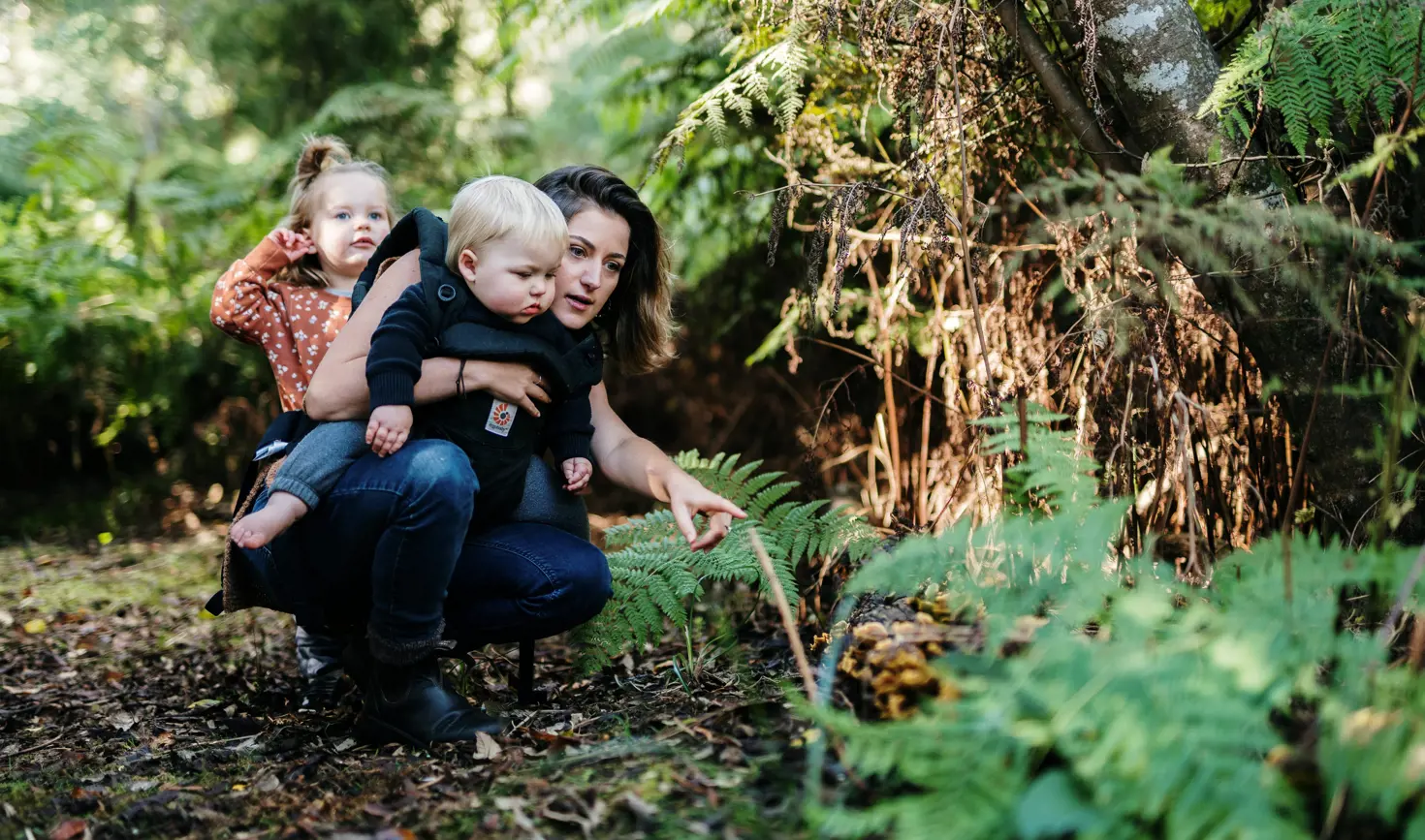
Leven River Cruises, Ulverstone
Tourism Australia
Transparency over perfection: Sustainability is a journey. Share your progress, challenges and goals honestly. Invite guests to join you rather than claiming perfection.
Facts with emotion: Balance credentials and data with the human side. Stories that create connection resonate more than statistics alone.
Clear, confident language: Avoid jargon. Write as you'd speak. Our research shows travellers prefer language that is frequently used and less technical, such as 'responsible travel', 'eat local', 'respecting wildlife', and 'welcoming for everyone'.
Share your 'why': Sustainability conscious travellers connect with authentic values. They want to understand the reasons behind your actions, not just what you do but why you do it.
For guidance on communicating your sustainability story visit our positive impact marketing section.
Sustainability certifications
Several certification programs can help you formalise and communicate your sustainability commitments. These range from broad environmental certifications to programs focused on specific areas like emissions reduction, responsible outdoor recreation and wine tourism. Once obtained, you can also add accreditation badges to your ATDW profile to highlight your sustainability credentials.
See the full details
TICT Tourism Emissions Program
The Tourism Industry Council Tasmania (TICT) administers the Tourism Emissions Program, a 3-step program that helps you to measure emissions and develop an emissions reduction plan for your business.
Sustainable cruise tourism
Tasmania has a vision to be a responsible and sustainable tourism destination. We want to strategically manage Tasmania as a cruise destination and partner with cruise companies that align with our destination brand and are willing to work with us to provide the best value proposition for Tasmania's visitor economy and the broader community.
A new Tasmanian cruise strategy is under development and will align with Tasmania's 2030 Visitor Economy Strategy. To help inform our current engagement with this sector, Tourism Tasmania commissioned a report by KPMG. The resulting report, the value proposition of the cruise market in Tasmania, assesses the economic, environmental and social impacts of the sector.
Explore the research
Tourism Tasmania's research and insights team provides in depth data to support your sustainability journey. Our research into positive impact explores what visitors expect around sustainability, what language resonates, and how your business can authentically connect with travellers who share your values.
-------------------
Sources
All data sourced from the Tasmanian Visitor Survey YE Dec 2025