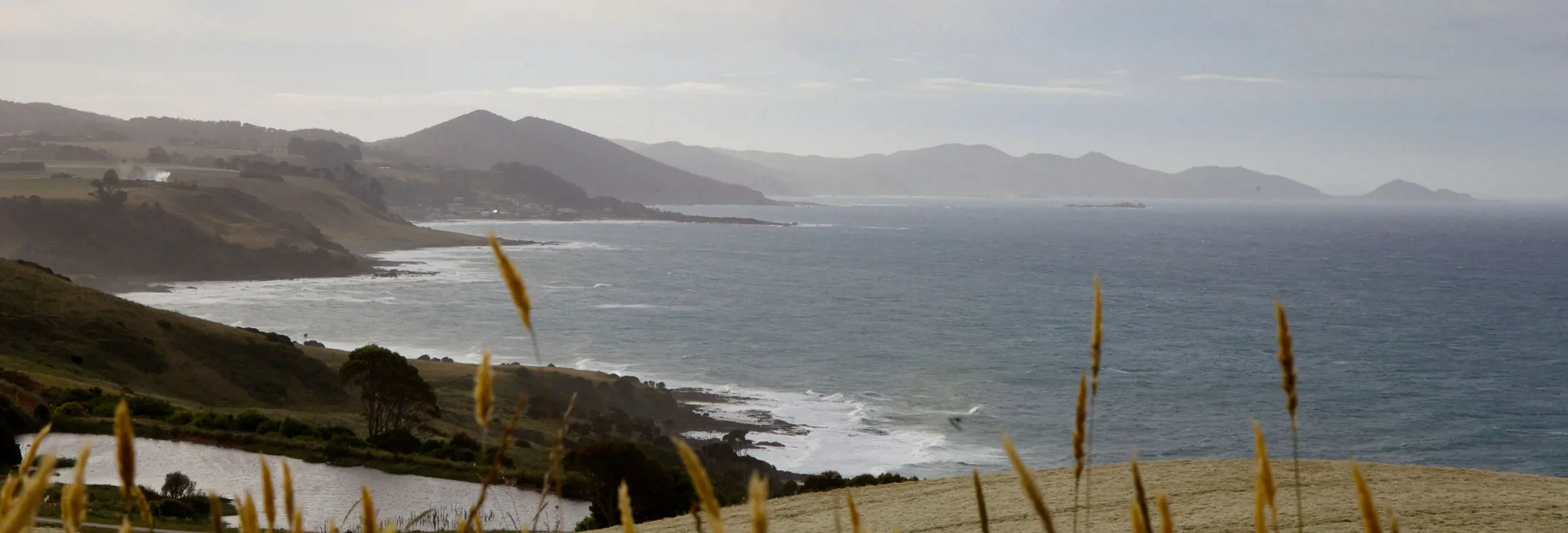
Table Cape, Wynyard, North West Coast
Pete Harmsen
Understanding Tasmania's Tourism Industry
Tourism sits at the heart of Tasmania’s economy, directly contributing 5.4% of Gross Value Added and 7.0% of directly filled jobs. Our visitor economy is valued at $3.7 billion annually (2023-24), generating a further 83 cents1 for every dollar spent and supporting 1 in 6 jobs across the state.
Economic contribution
The things that make Tasmania such a special place to live are the very same things that make it a compelling destination for visitors.
As an island known globally for its natural scenery, a thriving arts and cultural scene, warm and welcoming communities, fresh seasonal produce, and one of the world's oldest cultures, it's clear why tourism plays such an important role here.
Tourism is one of Tasmania's oldest and most important industries. It has empowered communities statewide, creating jobs, strengthening our economy, supporting infrastructure development and enhancing local services, recreational activities and our quality of life.
As of the year ending December 2025, Tasmania welcomed 1.386 million interstate and international visitors who spent $3.710 billion in the state.
We expect visitation to continue to grow, and that’s important for Tasmania’s future. But growth also needs to be managed to protect what Tasmanians value about this place we call home.
The 2030 Visitor Economy Strategy provides the vision and directions to plan, grow and manage Tasmania’s visitor economy. It is a jointly agreed strategy developed and delivered through the T21 partnership between industry and government.
Employment
50,800
Total filled job supported by tourism
Jobs share
15.6%
Tourism's share of all filled jobs - 1 in 6 jobs
Total contribution
$4.55b
Tourism’s total contribution to Tasmania GSP
The vision

Driftwood Cabin, Primrose Sands
Emilie Ristevski
Who visits Tasmania
Around 88% of our visitors come from interstate, predominantly from Victoria, New South Wales and Queensland.
Key international markets include the USA, UK, China, Hong Kong, New Zealand, Singapore and Germany. Intrastate visitors (Tasmanians travelling within the state) also represent an important market segment.
We regularly collect and release new data to help Tasmanian tourism operators and their employees know their market, explore their sector, stay ahead of trends, understand visitor expectations and define target audiences.
Learn how to put this research to work for your business.
Visitor behaviours and expectations
Industry research and data helps tourism operators understand consumer behaviour, including visitor numbers, length of stay, spending habits, and the types of activities visitors engage with across regions and towns.
This research enables operators to understand what visitors love about Tasmania, and to develop experiences that resonate with their key target markets.
What motivates people to visit Tasmania?
Key motivators include Tasmania's unique wilderness and natural beauty, wildlife experiences, local food and wine, and history and heritage. Many visitors tell us that hearing positive experiences from others was a key influence on their visit. Word of mouth remains a powerful driver.
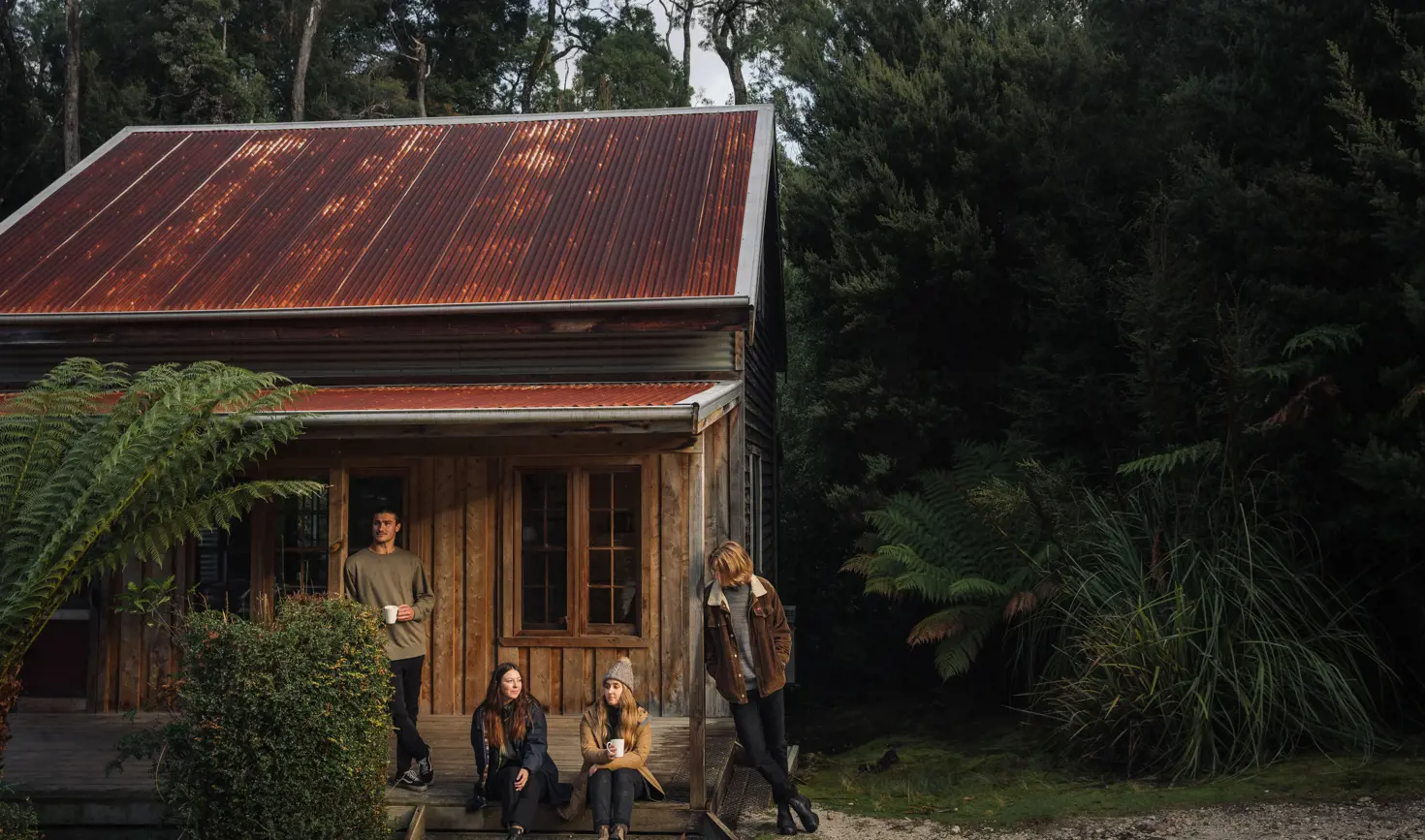
Eco Retreat, Corinna Wilderness Village, takayna / Tarkine
Jason Charles Hill
Our target markets
We identify key target markets for our marketing programs. This information enables tourism operators to align their own target markets with ours and leverage existing marketing efforts.
Having a clear understanding of your ideal customer is crucial to business success.
The key segments of most interest to us and the broader tourism industry are Positive Impact Travellers, Conscious Adventurers and Discoverers. These segments are most likely to exhibit the behaviours we're seeking for a sustainable tourism industry, with strong value alignments.
Find out all about the latest data on Tasmania’s tourism industry in our Research and Insights section.
Key organisations
Tasmania's visitor economy operates as a collaborative ecosystem. A number of key organisations each play a specific role in supporting tourism operators, strategically marketing our state and fostering the relationship between industry and government.
Tourism Tasmania
Tourism Tasmania is a State Authority, charged with brand management and generating demand for leisure visitors. We're also the Tasmanian Government's lead agency in the T21 visitor economy partnership, actively managing and contributing tourism expertise to strategy and policy development for the benefit of all Tasmanians.
We create demand through domestic and international marketing programs that activate the Tasmanian tourism brand. Our work spans tourism strategy and leadership, demand generation, brand and marketing, access and connectivity, and data and insights.

King Island
Emilie Ristevski
Regional Tourism Organisations (RTOs)
Regional tourism in Tasmania is supported by four regional tourism organisations.
In an industry led approach, these organisations work with local operators to lead the visitor economy in their region, identify priorities, and deliver programs that develop and market each area effectively.
RTOs are an invaluable support network for tourism operators and business owners. They're your first point of call for issues or queries relating to tourism, and they provide valuable networking opportunities for industry colleagues. RTOs also provide regional visitor economy leadership in partnership with local councils, support industry development, assist our destination marketing efforts, and serve as referral points for product development assistance.
Tourism Industry Council Tasmania (TICT)
TICT is the peak body for Tasmania's tourism industry and a not for profit, member based organisation.
TICT delivers industry programs and events to support business development and facilitate the sustainable growth of tourism businesses, including administering the Australian Tourism Industry Council's national Quality Tourism Accreditation program. TICT also acts as an industry advocate, creating a strong, unified voice to lead responses to critical industry issues and needs.
Hospitality Tasmania (HT)
HT is the peak industry body for hotels, accommodation, restaurants, cafes, caterers, community, sporting and RSL clubs in Tasmania. HT advocates for the hospitality sector, working to ensure Tasmania has a viable and profitable hospitality industry both now and into the future.
HT provides a range of services to its membership, with a focus on industrial relations and advice, alongside industry development programs designed to build capability across Tasmania's hospitality sector. HT also works with all levels of government to lead the development of industry relevant policy.
Real Opportunities
-------------------
Sources
All data sourced from the Tasmanian Visitor Survey YE Dec 2025 unless otherwise noted.
1. Tourism Research Australia, State Tourism Satellite Account 2023-24