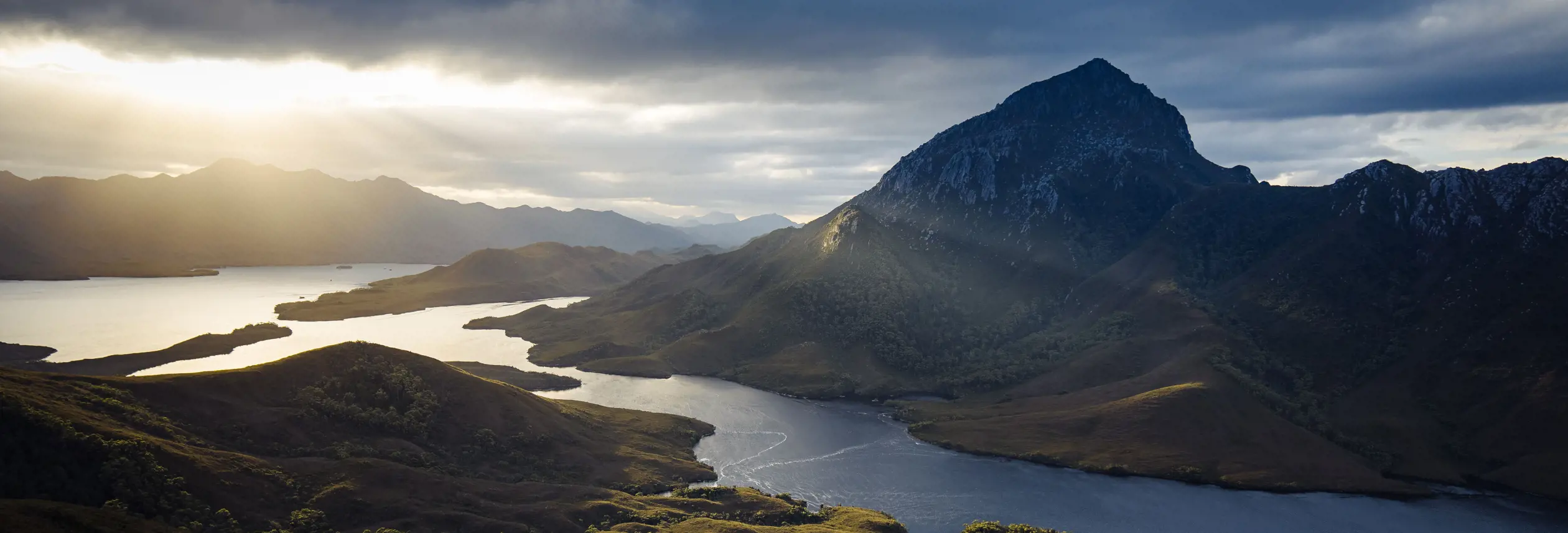
Bathurst Harbour, Southwest National Park
Emilie Ristevski
Research your opportunity
A good tourism business starts with good research and we regularly collect and release new data to help operators and their teams make better decisions.
Before you launch, take the time to dig into the data, understand who’s visiting Tasmania and what they’re looking for, and identify where the real opportunities sit for your business idea.
Know your market
Understanding who visits your part of Tasmania, and how they behave when they get here, is one of the most useful things you can do for your business. Visitor numbers, length of stay, spending habits and the types of activities people enjoy in your region all help shape smarter planning and marketing.
It’s worth knowing whether visitors to your area tend to stay overnight or pass through, as this has real implications for the kind of experience you offer and how you promote it.
Visitor patterns
Around 88% of visitors to Tasmania come from interstate, with the majority from Victoria, New South Wales and Queensland. Most are here for a holiday, often travelling with a partner or families with older children. They tend to stay one to two weeks and enjoy spending time in both our cities and regional areas.
Tasmania also draws significant international visitation. Key markets include the USA, UK, China, Hong Kong, New Zealand, Singapore and Germany, accounting for around half of all international visitors. Like our interstate visitors, international travellers enjoy exploring the entire state, city and regional areas alike.
Tasmanians are eager explorers of their own state too, travelling throughout the year and far and wide. They’re proud of what Tasmania offers and keen supporters of local producers and operators.
Tasmania has four distinct seasons, each with something different to offer. We’re focused on supporting business sustainability and smoothing out seasonality, particularly by growing visitation during the cooler months.
Visitors generally travel around Tasmania by car, caravan or motorhome, including hire vehicles. Research from the Tasmanian Visitor Survey shows that travellers on the Spirit of Tasmania stay longer, spend more and travel further into our regions. National parks and reserves are some of Tasmania’s most popular attractions for the caravan and motorhome market.


Explore tourism sectors
Keeping up with current tourism trends and future forecasts helps you stay competitive by keeping your offerings relevant. We undertake market research to understand potential visitors and current and emerging market opportunities, including international markets, key activities and deep dives into sector trends like agritourism, wellness and events.
Accommodation: Our Monthly Accommodation Report provides insights into accommodation demand and performance right across the state, with data sourced from STR Global and AirDNA. It’s a useful companion to our quarterly tourism snapshot and the interactive TVS Analyser dashboard.
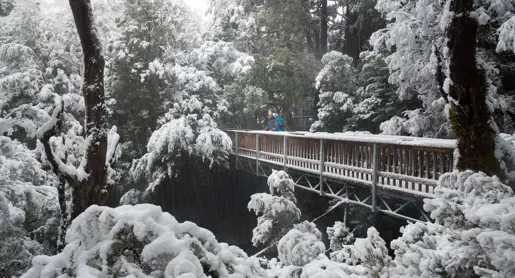
Tours and experiences: Visitors are increasingly looking for experiences that offer work life balance and more meaning. With greater wealth, mobility and access to destinations, more people are travelling to pursue their interests. Outdoor adventure participants deliver strong value to Tasmania. They stay significantly longer (18 nights vs 8.9 nights interstate) and spend substantially more per visit ($4,159 vs $2,644 interstate) than general visitors. Bushwalkers alone represent 630,000 visitors, roughly half of Tasmania’s total visitation, demonstrating how important outdoor recreation is to the state’s tourism economy.
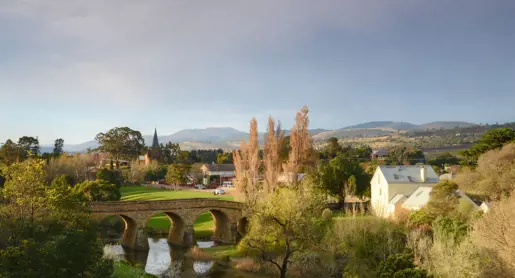
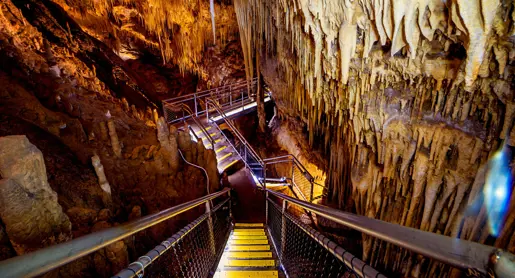
Attractions: Tasmania offers a diverse range of visitor attractions, from heritage sites and museums to wildlife parks, national parks and cultural institutions. More than 40% of the island is protected as national parks, reserves and World Heritage areas, and these natural assets sit alongside convict heritage sites, galleries, interactive experiences and wildlife encounters. Attractions play an important role in regional dispersal, giving visitors reasons to travel beyond main centres and spend more time in communities across the state. Understanding what draws visitors to your region can help you position your own offering or identify opportunities for packaging and cross promotion with nearby attractions.
Agritourism: Almost 7 in 10 domestic travellers are potentially interested in agritourism experiences. Agritourism connects visitors more closely to local produce and farming businesses, from farm tours and stays to ‘make your own’ experiences and cooking lessons. It helps create additional reasons for visitors to disperse right across the state and represents a real opportunity for operators. Our research on agritourism helps existing and emerging operators understand how they can shape or expand their visitor offering for this growing market.
Events and festivals: Events and festivals are important contributors to Tasmania’s visitor economy, enhancing the state’s culturally vibrant brand and often providing the trigger for visitation. They give travellers both emotional assurance (a sense of vibe and atmosphere) and functional certainty (knowing what and when). Experiences that feel quintessentially Tasmanian generate the strongest interest and the clearest potential to drive visitation.


Transport and hire: The two new Spirit of Tasmania ferries will support expected growth in caravan and motorhome visitors. We commissioned ERA Planning to develop a Caravan and Motorhome Market Plan assessing demand potential and mapping relevant infrastructure and services.
Wellness tourism: A major research study shows Tasmania is well positioned to capture the growing wellness travel market. 22% of Australian travellers are strongly motivated by wellness, with another 73% open to wellness experiences. Nature (81%), clean air (75%) and tranquillity (60%) are Tasmania’s strongest associations, and they’re exactly what wellness travellers are looking for.
Positive impact travel: Travel is changing. Today’s visitors aren’t just looking for memorable experiences. They’re seeking places and operators who genuinely care about the environment and the communities they’re part of. Our research shows our target travellers actively seek to support local businesses, participate in conservation initiatives and leave places better than they found them.
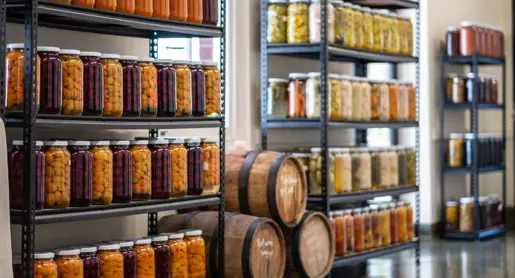
Food and drink: Tasmania's food and drink offering attracts visitors for good reason: internationally recognised small batch produce, direct access to the people growing, making and pouring it, and a distinctive paddock to plate story set against natural landscapes. Tasmania's compact size makes it easy for producers to sell direct, giving visitors many planned and impromptu ways to meet makers, growers and producers face to face.
Cycling tourism: Tasmania has a strong cycling tourism sector with mountain biking a key current strength. Since 2015, more than 400 kilometres of trails have opened and entire towns are now dedicated to serving mountain bikers, presenting a real opportunity for regional tourism operators. A key benefit of increasing cycling tourism is regional dispersal.



Define your target audience
Having a clear picture of your ideal customer is one of the most important things you can do for your business. We identify key target markets for marketing purposes, and this information can help you align your own target markets with ours and leverage our existing marketing efforts.
We target three high value domestic segments representing 60% of the premium travel market. These segments share overlapping values around sustainability, authentic experiences and positive destination impact, while each maintaining distinct motivational drivers. By identifying our strongest audiences, we can deliver targeted marketing activity that resonates with potential visitors. This can also help you meet visitor needs as they travel around the island and experience Tasmania’s many diverse places, experiences and attractions.
- Positive Impact Travellers: Highly sustainability conscious travellers seeking to create positive impact on both destinations and personal wellbeing through nature immersion, cultural learning and community contribution at carbon neutral destinations.
- Conscious Adventurers: Intrepid explorers seeking unique, off the beaten path experiences in isolated, sustainable destinations while immersing in local history and natural beauty and leaving places better than found.
- Discoverers: Socially and environmentally conscious adventure seekers balancing traditional values with sustainability awareness while pursuing novel, stimulating experiences that create lasting positive impact and foster community connection.
To learn more about our key markets, download our fact sheets below.
Plan your business
-------------------
Sources
All data sourced from the Tasmanian Visitor Survey YE Sept 2025