
Fagus, Cradle Mountain-Lake St Clair National Park
James Burke
Working with media
Discover practical ways to pitch compelling stories, host media visits and collaborate with our global PR team to share your news, target audiences and communicate what makes your experience uniquely Tasmanian.
Earned media coverage, stories via journalists and media outlets, can help build credibility, expand your reach and strengthen your long term digital presence.
New to working with media? You do not necessarily need a PR agency or marketing background to get started. From small family run operators to larger tourism businesses, many Tasmanian operators have successfully built strong media relationships and generated powerful media coverage by working smartly with earned media to tell their story.
Understanding earned media and PR
Earned media, also called PR (Public Relations), refers to editorial coverage you earn through building relationships with journalists and offering compelling stories. This includes editorial coverage in newspapers, magazines, online publications and broadcast media.
Unlike advertising (which you pay for) or owned media (which you control, like your website), earned media must be earned through newsworthiness and relevance to media audiences. This type of coverage carries the weight of third party endorsement which builds credibility and trust with potential visitors, making it one of the most powerful marketing tools available to tourism operators.
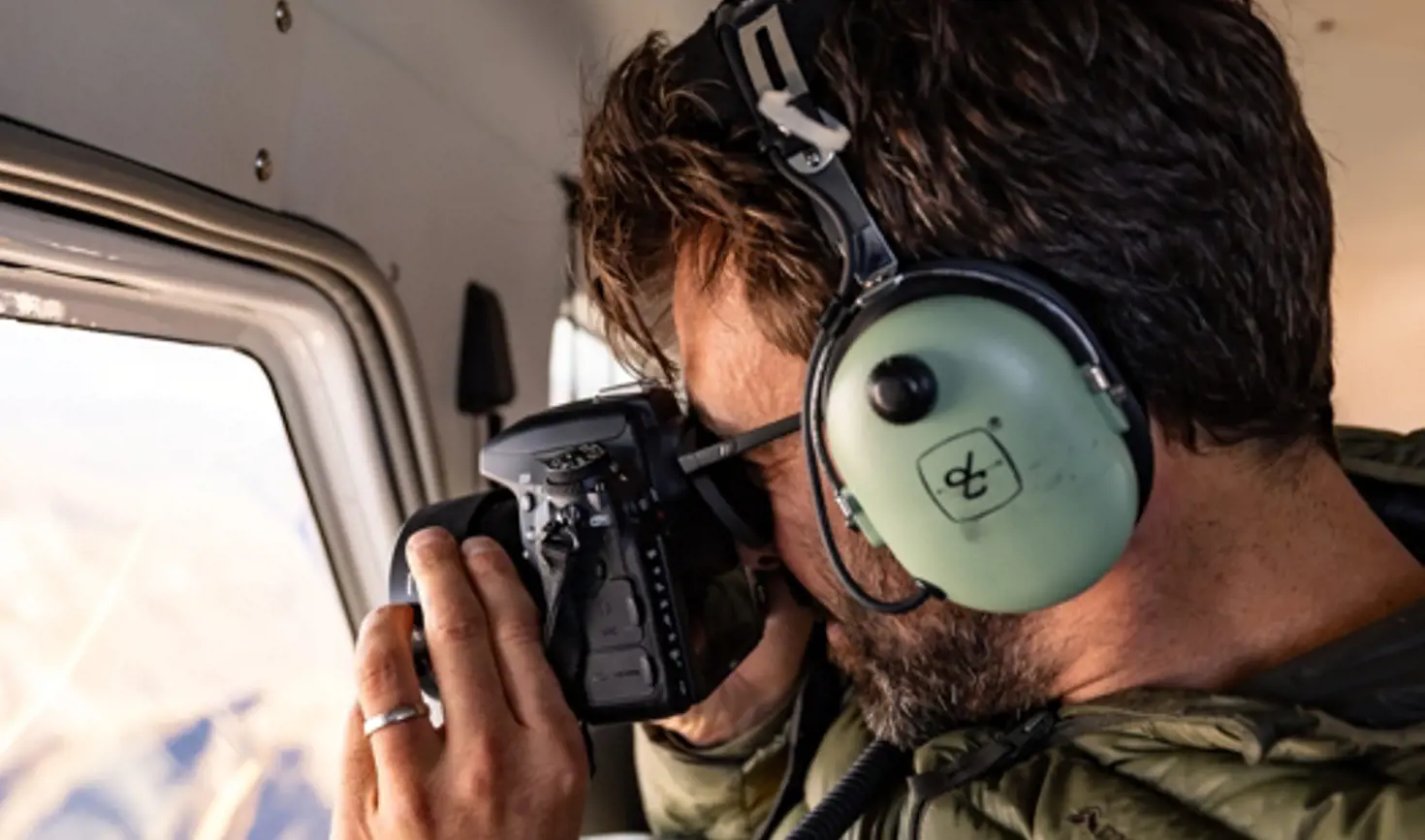
Above and Beyond, Hobart
Tourism Australia
Benefits of earned media
There are many potential benefits to earned media, including:
- Cost effectiveness: Editorial coverage typically delivers higher return on investment than paid advertising.
- Extended reach and shelf life: Earned media stories are often shared across multiple platforms and remain discoverable long after publication.
- Digital authority: Media coverage improves Search Engine Optimisation (SEO), generates backlinks and contributes to the data that trains AI systems.
- Deep and meaningful storytelling: Editorial coverage allows for richer, more meaningful storytelling than paid advertising, creating space to communicate your values, key messages and points of difference, and to paint a more vivid picture of your experience for potential guests.
How to pitch to media
A pitch is your initial approach to a journalist, a short, compelling email that presents a story idea about your business worth covering. Whether you are sending a quick paragraph with a hook or a more detailed media release, the principles are the same: respect their time, speak to their audience and make their job easier.
- Know the outlet and journalist: research their recent work and tailor your pitch to their audience.
- Lead with the experience: focus on what is new, interesting or timely, the what and why now.
- Keep it short and sharp: two to four paragraphs maximum. Use bullet points to make scanning easy.
- Add value: offer exclusives, high resolution images, data, preview access or expert commentary.
- Be timely: tie your story to the news cycle, current events, seasons or cultural moments.
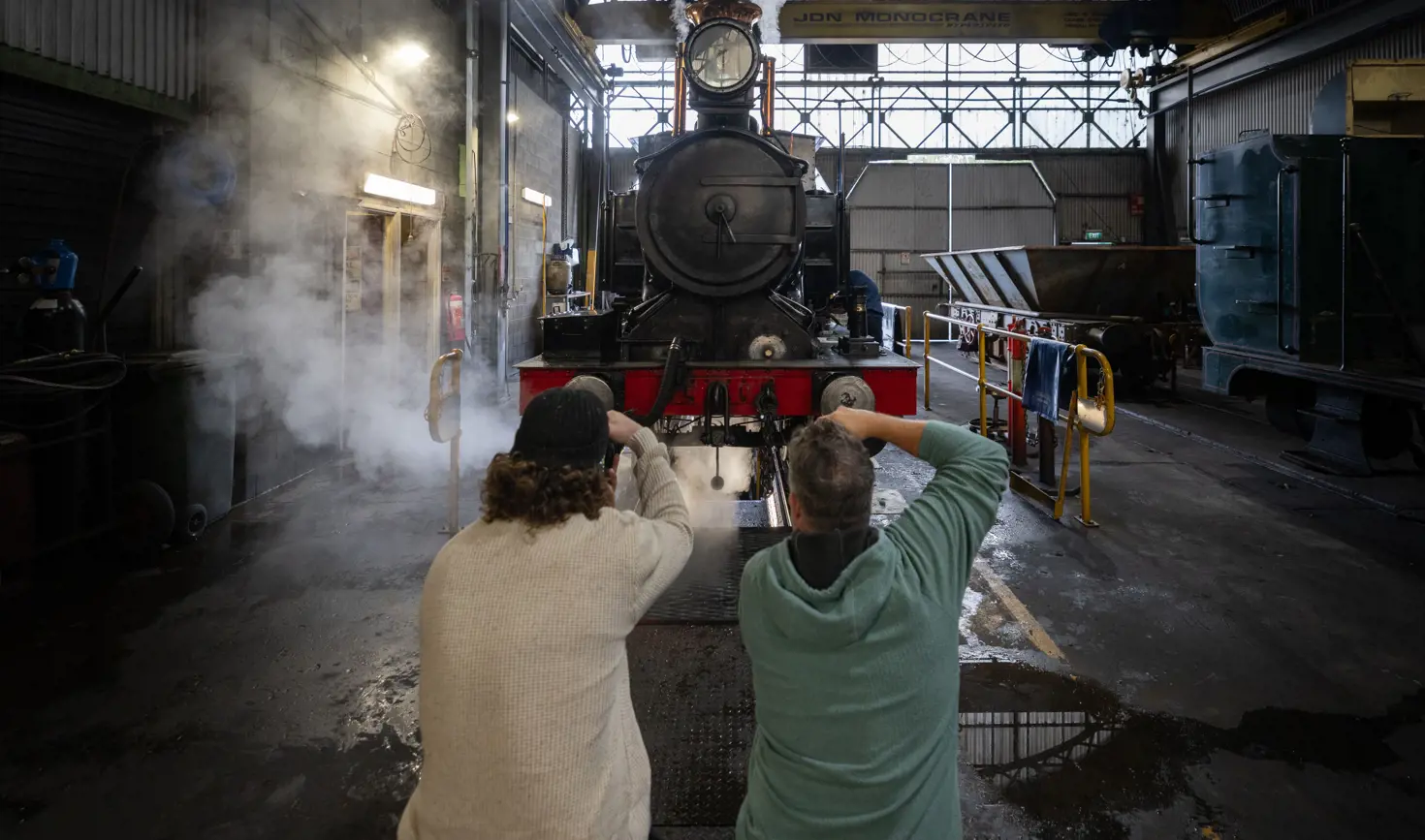
West Coast Wilderness Railway, Steam Under the Stars, Queenstown
Jess Bonde
Coverage is earned
Remember, coverage is earned, not guaranteed. You can increase your chances of securing interest from journalists by considering the following when pitching:
- New products and experiences: launches, openings and new experiences often attract media interest.
- Unique, authentic experiences: journalists seek stories that go beyond standard amenities to reveal character and distinctiveness.
- Strong visual storytelling assets: compelling, high resolution images and video content are essential for earned media stories, so have these ready to send.
- Local culture and community connections: stories that reveal connections to place and people are of interest to journalists.
- Human interest stories: personal stories and the people behind businesses are interesting to journalists.
- Exclusive access or insider perspectives: behind the scenes access or unique viewpoints that journalists cannot get elsewhere.
- Trending topics: subjects that align with current traveller interests and broader cultural conversations.
- Positive impact stories with proof: sustainability, accessibility and inclusion stories backed by specific evidence and outcomes.
Hosting media familiarisation visits
Familiarisation visits (famils) are hosted trips where journalists experience your product or experience first hand. They are almost always funded by the host, with accommodation, meals and experiences covered. Sometimes flights and transport are also provided.
The objective of a famil is to build stronger relationships with journalists and help them understand your offering more deeply than a pitch or press release allows. A famil also allows journalists to generate authentic, detailed editorial content (features, reviews, social posts, videos).
Do
- Be prepared: research the journalist and plan carefully.
- Brief all partners: share journalist details and visit objectives.
- Flag limitations early: inform the journalist about any restrictions upfront.
- Collaborate on itinerary: work with the journalist on their story needs.
- Add personal touches: thoughtful gestures create connection.
- Include drawcards: offer exclusive access and behind the scenes moments.
- Make time to connect: offer to join for a meal without pressure or dominating their time.
- Align expectations: confirm the itinerary supports a viable story before agreeing to host
Do not
- Wing it: poor preparation shows and wastes everyone's time.
- Keep partners in the dark: surprises undermine professionalism.
- Hide constraints: discovering them on site damages credibility.
- Overdo hospitality: keep it genuine, not excessive.
- Disappear entirely: balance presence with professional space.
- Expect guaranteed coverage: editorial decisions remain with media and you can never be completely sure they will publish a story or dictate what that story will be.
Your first media pitch: 5 step checklist
- Identify your news: What is genuinely new, different or timely about your business?
- Find the right journalist: One who covers your region, experience type or business focus.
- Draft a short pitch: Two to three paragraphs covering what is new, why it matters and why now.
- Include visuals: Link to three to five high quality photos in a shared folder (Dropbox, Google Drive).
- Send and follow up once: Email your pitch. If no response after five days, send one polite follow up. Then move on.
Time investment: two to three hours for your first pitch. Potential return: editorial coverage worth thousands in advertising equivalent.
Working with our PR team
Our global PR team pitches Tasmanian operator news, stories, products and experiences to earned media worldwide.
To submit your news, email media@tourismtasmania.com.au with key information about your news or offering, high resolution imagery, video content, links to additional materials (use shareable folders, not bulky attachments).