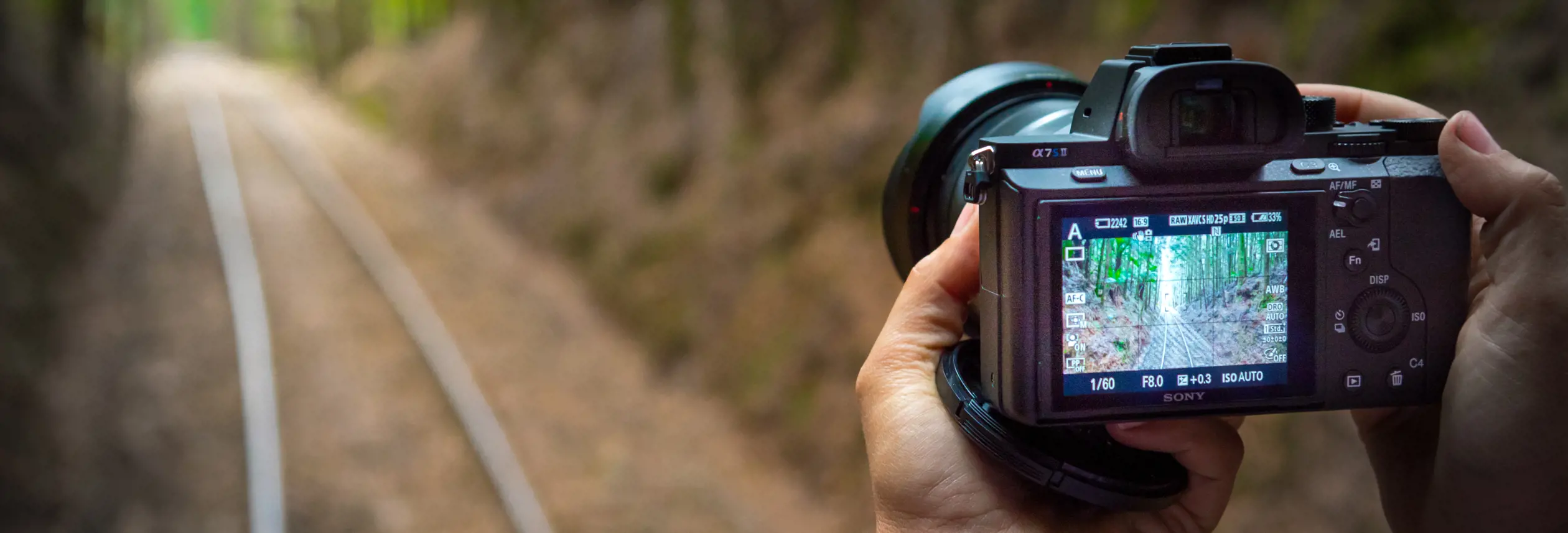
West Coast Wilderness Railway track
Paul Fleming
GUIDELINES FOR FILMING IN TASMANIA
Planning to capture content in Tasmania? This guide will help you understand key permissions, safety requirements and photography principles to ensure your production runs smoothly and respects our environments.
We offer content creators opportunities to capture Tasmania's unique stories, from our UNESCO World Heritage wilderness and distinctive endemic wildlife to authentic food experiences and cultural creativity. Whether you are working in film, photography, content creation or media, we can help you understand Tasmania's filming requirements and photography guidelines. This ensures you create compelling, authentic content while protecting our natural environment and respecting our communities.
Vintage Tasmanian books
Emilie Ristevski
Permissions and permits
Permit applications should be submitted at least 14 working days before your shoot date (21 days minimum for Tasmania Parks and Wildlife Service permits). Permits are needed for:
Commercial filming and photography for televsion productions or advertising.
Videos and stills from influencers, content creators or film companies.
Any drone use.
Filming in national parks, reserves and protected areas.
Tasmania Parks and Wildlife Service (PWS) manages 49% of Tasmania's land area, including national parks and World Heritage wilderness.
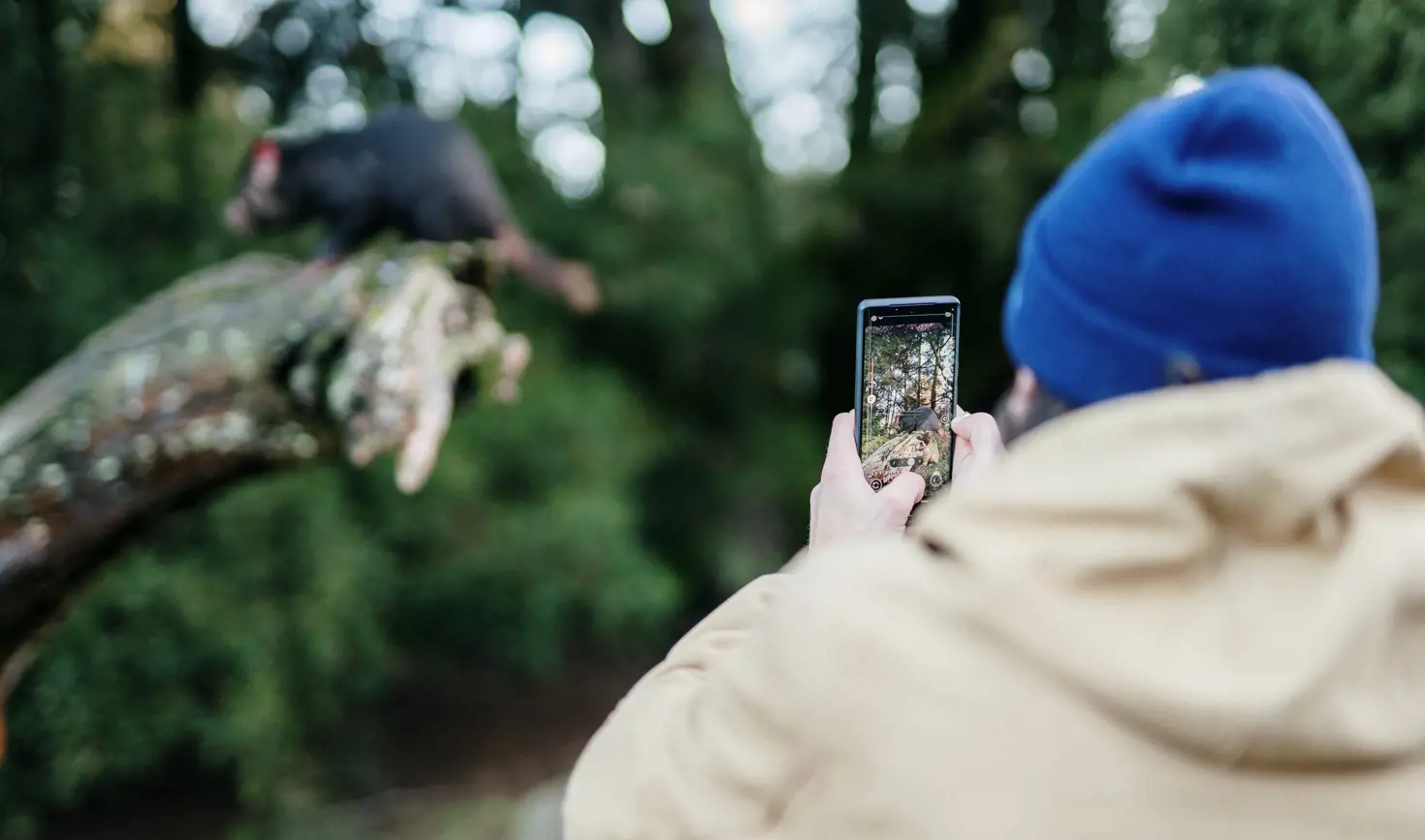
Devils@Cradle, Cradle Mountain
Tourism Australia
Other authorities
TasPorts (Hobart's Sullivans Cove and docks)
Local councils
Wellington Park Management Trust (kunanyi / Mount Wellington)
Hydro Tasmania (dams, lakes)
Sustainable Timber Tasmania (forestry land)
Aboriginal management groups
Private landowners.
Tip: Use ListMap to determine who owns or manages specific locations.
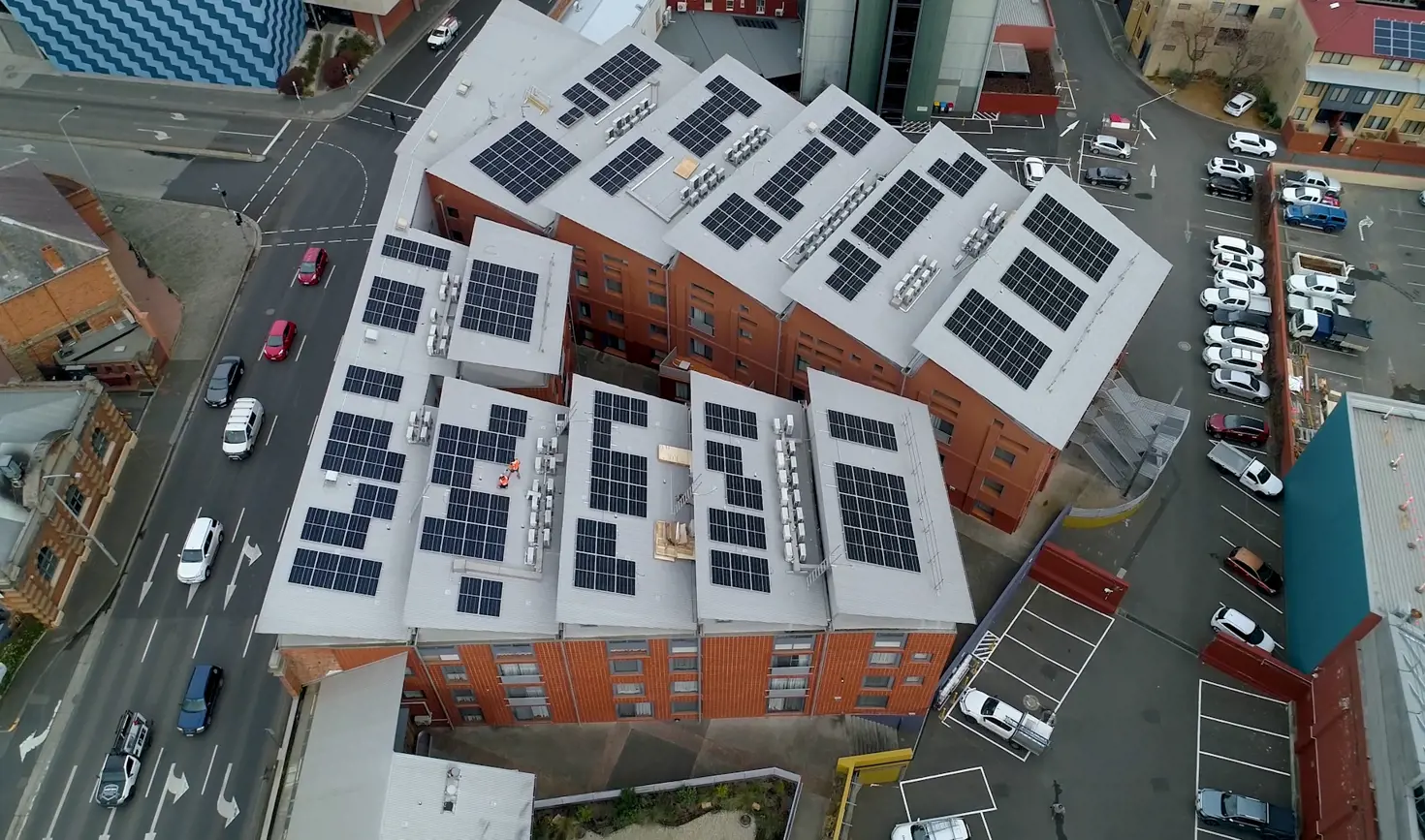
The Old Woolstore Apartment Hotel, Hobart
Hype TV
Drone operations
All drone operators must be certified and licensed by CASA.
Permits required include ReOC Cert, RePL and drone specific Public Liability Insurance.
Permits are subject to breeding seasons and nesting sites. A dedicated spotter may be required to monitor for raptors and aircraft.
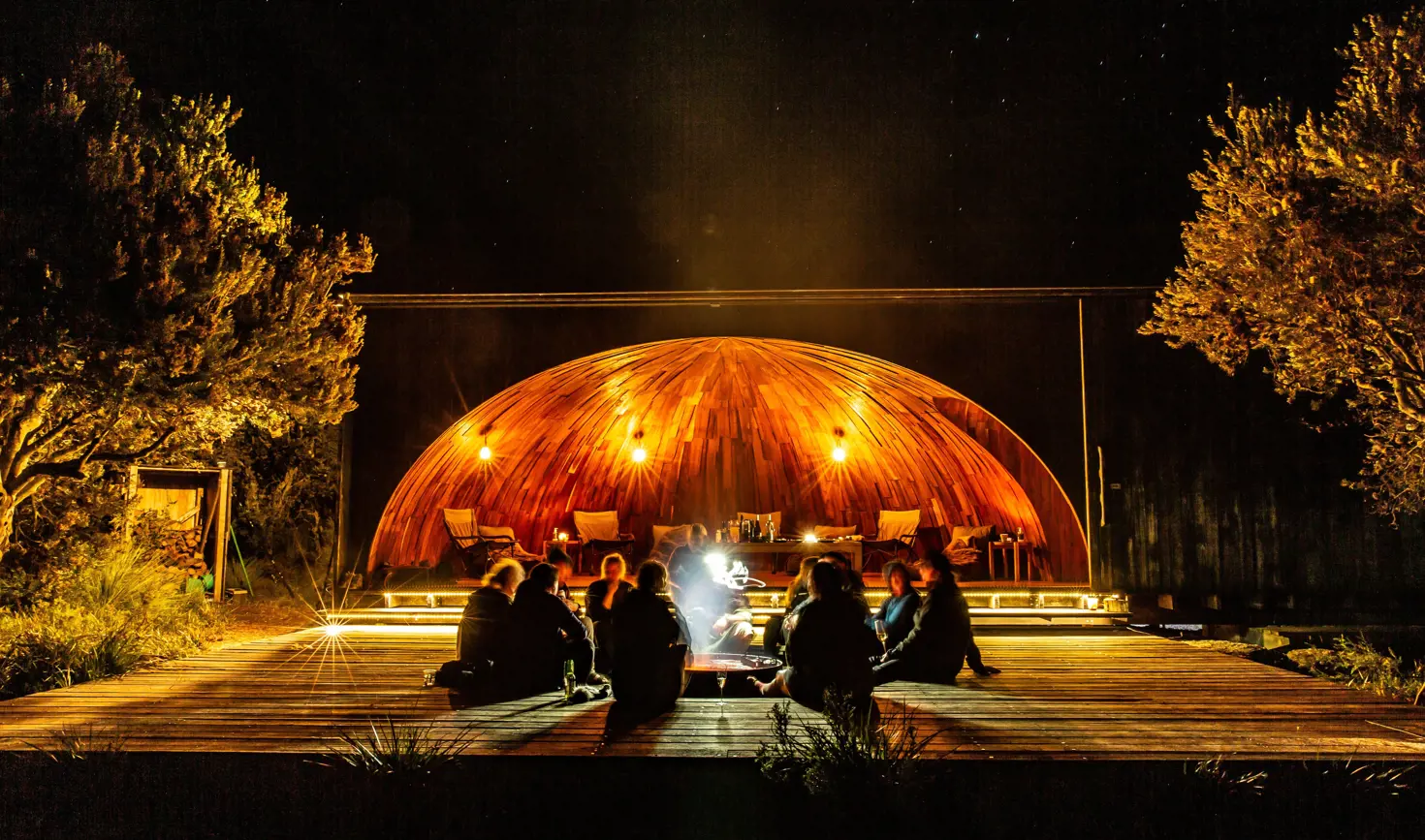
wukalina Walk, wukalina / Mount William National Park
Jillian Mundy
Aboriginal land and cultural heritage
When filming on managed Tasmanian Aboriginal land:
Contact local Aboriginal management groups for permission.
Obtain a letter of support (required for permit filing).
Respect Indigenous Cultural Intellectual Property (ICIP).
Agree to mandatory credits and sign off requirements.
Understand restrictions on filming sacred sites, ceremonies or culturally sensitive content.
Selecting the right image
To protect visitor safety and Tasmania's natural environment, we recommend you do not use footage or images showing:
Safety risks
- People within 2m of sheer drops or cliff edges
- Ill equipped walkers (inappropriate clothing, thongs/flip flops on bushwalks)
- People breaking basic safety rules (no helmet while cycling, no life jacket in boats or kayaks)
- People operating drones in national parks and reserves.
Environmental breaches
- Campfires in fuel stove only areas or during fire restriction periods
- Campervans in non designated camping areas
- People off track (particularly at waterfalls or sensitive sites)
- People touching or feeding wildlife
Ronny Creek, Cradle Mountain-Lake St Clair National Park
Paul Fleming
Wildlife filming guidelines
All wildlife footage must demonstrate responsible behaviour:
Maintain minimum 2m distance from animals.
Allow animals to approach you; never pursue.
No patting or feeding.
Never crowd or surround wildlife.
Never block an animal's escape route.
Never come between an animal and its young.
Stay on established tracks.
Photographic principles
People come to Tasmania for nature. For freedom. They come to breathe again. These photographic principles provide a guide for capturing footage and images around the island.
Spacious: Capture slow time, space and air, abundance and texture. Show scale by making people appear small within Tasmania's expansive natural environment.
Captivating: Showcase unexpected landscapes that draw viewers in and catch them off guard. From rugged west coast shores to dark cave depths, evoke a sense of space and wonder.
Anti ordinary: Think unusual perspectives and subject matters. Embrace the elements: rain on faces, wind tangled hair, mist covered valleys, wave filled bays. Combine people with nature, food and events in surprising ways that are evocative, unfiltered and real.
Visceral: Balance expansive hero shots with macro details that plunge deep into the scene. Create intuitive feeling rather than explicit context, from the mouldy exterior of a cheese wheel to smouldering fires and glistening seafood.
Authentic: Use a photo journalistic approach that conveys imperfect beauty and authenticity. Capture candid moments, unusual angles and perspectives. Never overly saturate, curate or retouch. Provide insight into the humble Tasmanian way of living.
Visual Library
We have an extensive collection of images and videos featuring Tasmania's landscapes, products and experiences. Images are available free of charge to media and industry for use in marketing Tasmania as a travel destination. You will need to register to browse our Visual Library.
If you have great images of your tourism business and you are happy to share them for use and distribution through our Visual Library (subject to a copyright agreement), contact visual.library@tourism.tas.gov.au