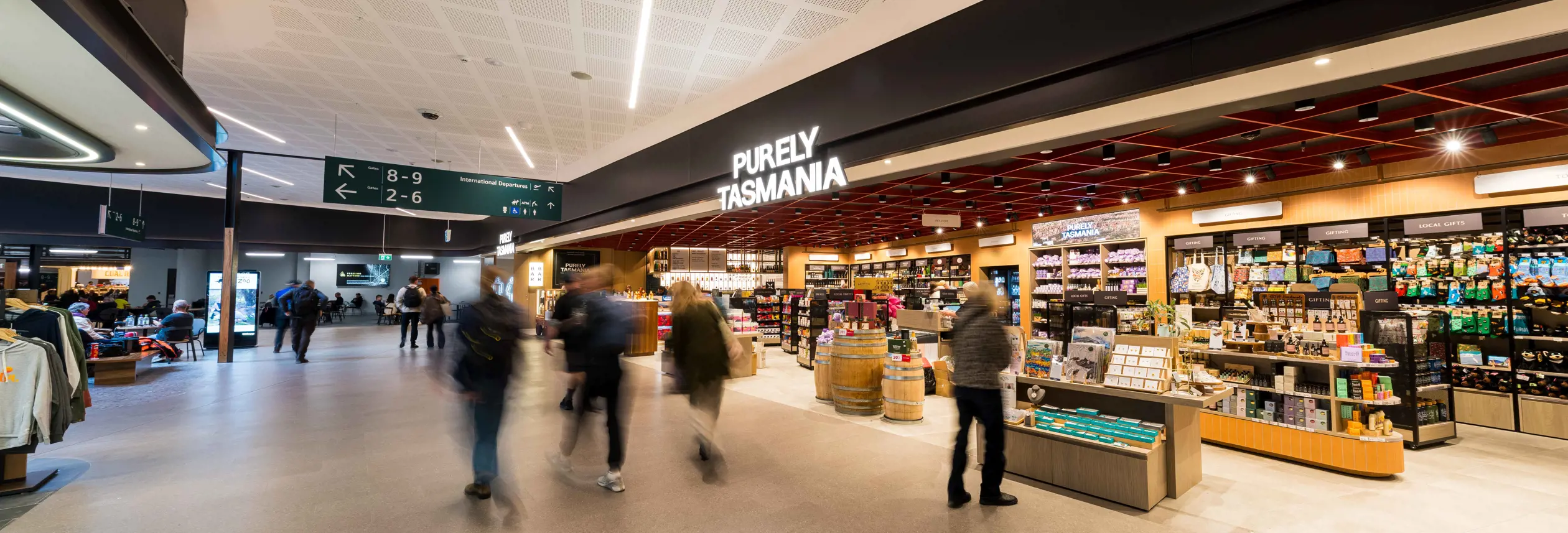
Hobart International Airport
Alastair Bett
Access strategy 2040
The Tasmanian Access Strategy 2040 is a Tasmanian Government strategy setting out how air and sea connections will be grown and strengthened to 2040.
Burnie Port
Stu Gibson
As an island state, air and sea access underpins everything. Every person who arrives or departs, every product that moves to market, and every Tasmanian who travels for health, education or work, does so by air or sea. These connections shape cost of living, regional employment, trade competitiveness and the liveability of communities right across the state.
Our goal is a strong air and sea access network that supports economic growth, liveability, visitor attraction and long term prosperity for Tasmania.
The Strategy is organised around four focus areas that describe what success looks like for Tasmania’s air and sea connections between now and 2040, and will be delivered through action plans every two years, with annual progress reporting.
Four focus areas guide the approach
- Benefit for Tasmanians Affordable, reliable access for all Tasmanians, including essential air services to King Island and Flinders Island. This includes advocacy for the continuation of the Tasmanian Freight Equalisation Scheme and Bass Strait Passenger Vehicle Equalisation Scheme, and alignment with government priorities across health, education and regional communities.
- Sustainable, affordable and reliable air and sea network Growing frequency and reliability on key routes to mainland capital cities, securing direct seasonal services from an Asian hub, extending New Zealand services to year round, and making the most of the two new Spirit of Tasmania vessels for both tourism and freight.
- Visitor destination appeal Growing year round domestic and international visitation through destination marketing, major events and business events, leveraging the new Spirit of Tasmania vessels, and growing the value of cruise ship visits to Tasmanian port communities.
- Infrastructure and services Making sure available air and sea port capacity is fully used, addressing workforce shortages in transport and logistics, maintaining biosecurity at the state’s entry points, and integrating aviation and port needs into long term transport infrastructure planning.