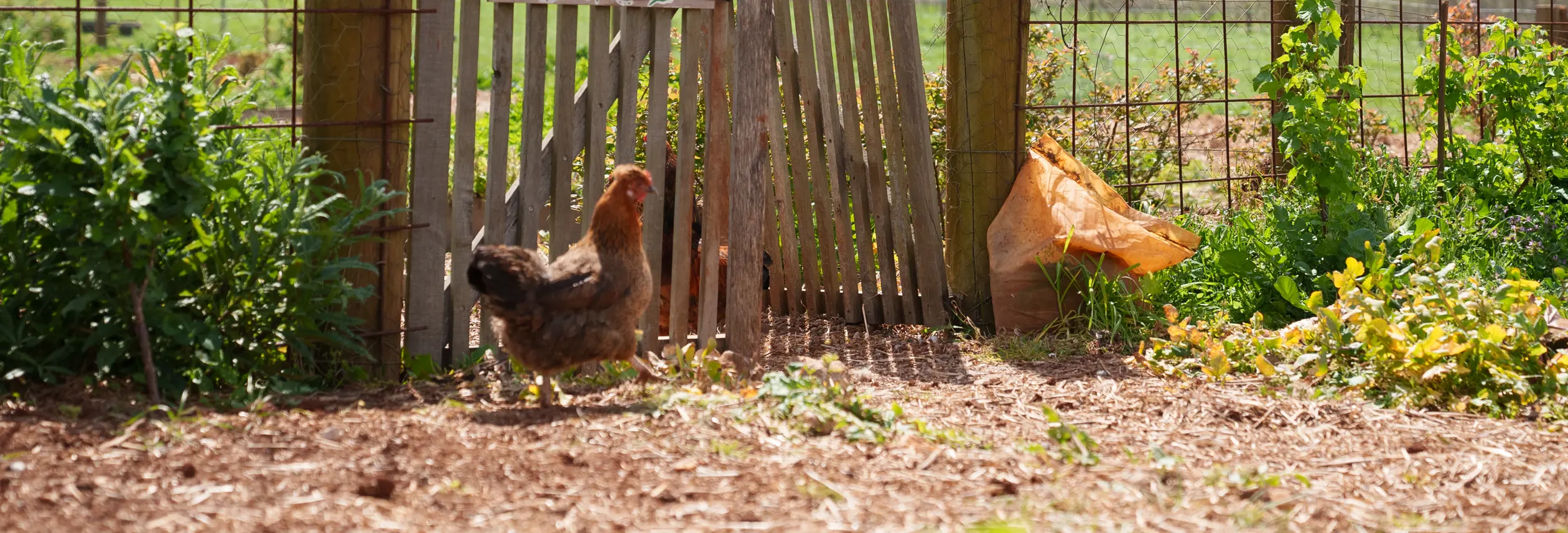
Mount Gnomon Farm, Penguin
Boomtown Pictures
Agritourism
Agritourism is an opportunity to connect visitors to local produce and farming businesses and can involve farm tours and stays, 'make your own' experiences and cooking lessons.
Agritourism helps create additional reasons for visitors to disperse across Tasmania and represents an opportunity for our tourism sector. Naturally aligned to our agricultural strengths, our updated research on agritourism helps existing and emerging tourism operators understand how they may leverage this growth market opportunity to shape or expand their visitor offering.
Tasmania's Agritourism research: what you need to know
We have completed a multiphased research program into the agritourism opportunity for Tasmania. Here is what the data tells us and what it means for you as an operator.
Visiting cafes and restaurants, farmers markets and tasting tours are the most common agritourism activities in Tasmania. There is a clear gap between what visitors want to do and what they actually get to do. Farming tours, make your own experiences and cooking lessons with local produce are undersupplied relative to demand. These are the experiences with room to grow.
When reaching potential visitors, think digital first. Search engines are the number one planning tool, word of mouth is second and social media is third. Shareable experiences and authentic stories drive discovery. The most valuable thing you can do is make the story of your place easy to find, easy to tell and worth passing on.
Collaboration also matters. Clustering complementary experiences, whether that is pairing a wine trail with a cheese maker and a farm stay, helps create the kind of itinerary that turns a weekend into a longer trip and a satisfied visitor into an advocate.
The opportunity is real and it is growing.
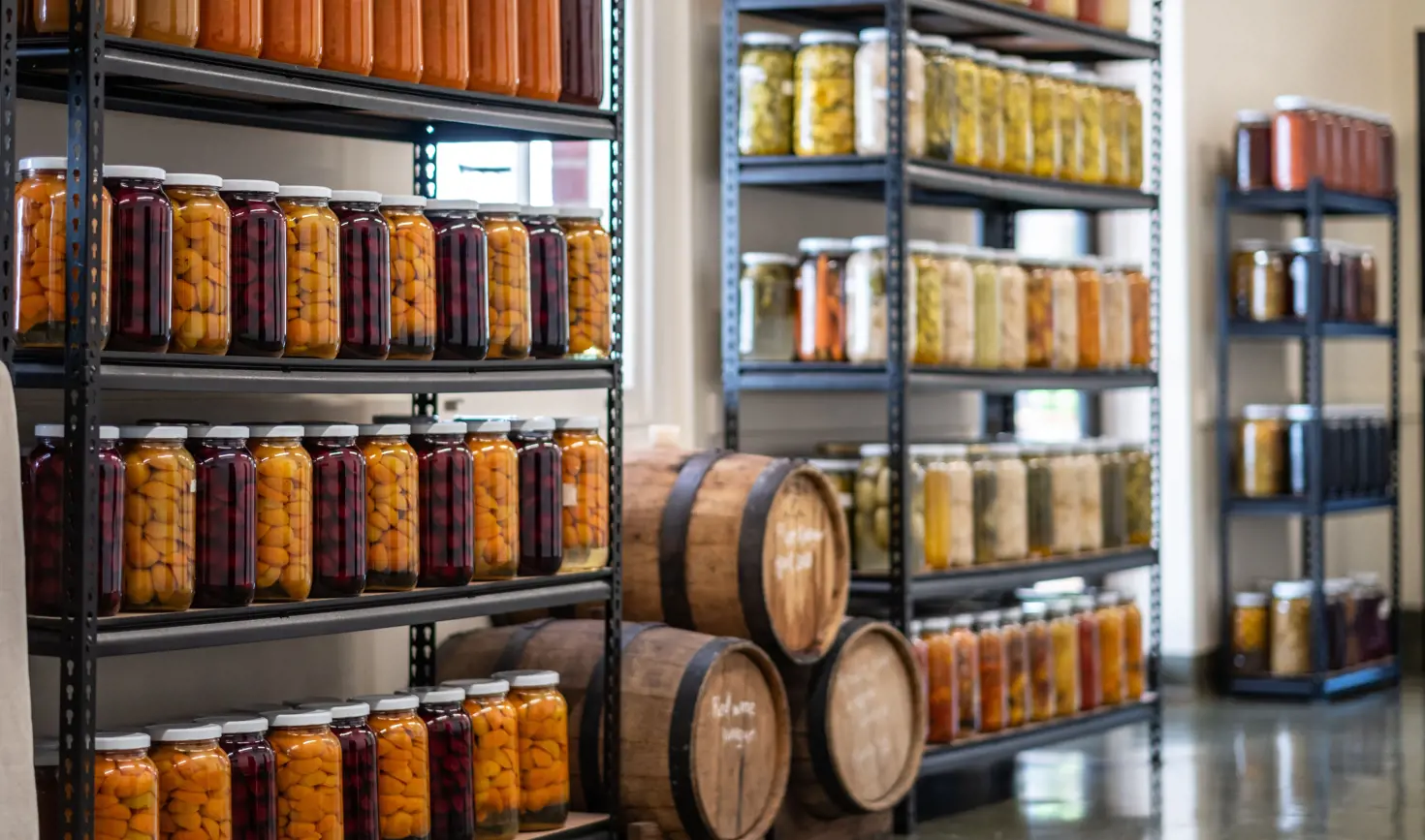
The Agrarian Kitchen, New Norfolk
Ros Wharton
- Seven in ten Australian domestic travellers are potentially in market for Tasmania's agritourism offer. Consumer trends point to continued growth in the category, with interest in sustainability, connection with nature and authentic local experiences all accelerating.
- Tasmania is seen as distinctive, and our existing strengths sit in the areas that matter to visitors: the ability to slow down and enjoy connection with nature and produce that feels genuinely superior. Travellers also associate Tasmania most strongly with higher spend experiences, including hunting and fishing, curated meals, foraging and make your own activities.
- There is some work to do to win over more first time visitors and younger travellers. The stories of our land and the people on it are what build belief. That is where operators play a vital role, as prospective visitors want to hear authentic stories and feel connected to producers before they visit.
- The value proposition that resonated most strongly with visitors positions Tasmania as a safe harbour where travellers can slow down, connect with nature and have authentic encounters with quality produce and small communities. There are four additional pillars in the research, including fields, valleys, oceans and makers, that provide a framework for you to connect your experience within a broader story.
View the research
We know who our travellers are
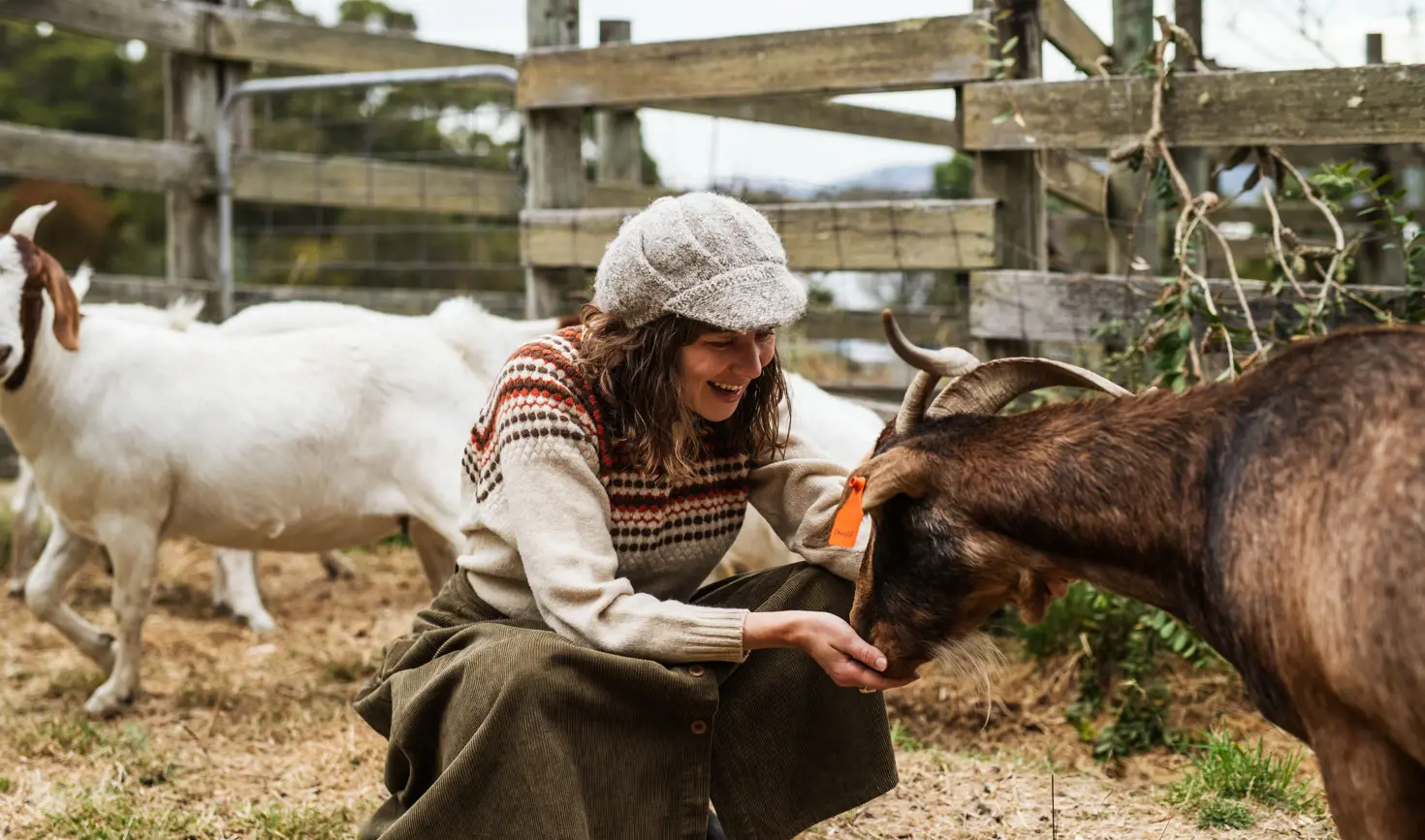
Lavender Goat Farm, Petcheys Bay
Stu Gibson
- Agritourism first travellers (34%) choose a destination specifically for the experience. They are engaged, younger, family oriented and want to meet the people behind the produce. Their trips tend to be short.
- Destination first travellers (30%) book Tasmania and then build their itinerary. They enjoy agritourism and participate reasonably often, but need the right experiences served up at the right time. Targeted communication during the planning phase can shift their engagement significantly.
- On the go travellers (36%) decide in the moment. Older, often empty nesters, they are willing to take longer trips and spend more time in the state. Making experiences accessible, visible and easy to find is key to reaching this group.
Agritourism in Australia
Considerable research has been done on the opportunity for agritourism in Australia by Tourism Research Australia. You may find this useful for broader context. Agritourism is a growing area and we believe Tasmania can benefit from growing this sector.
This Tourism Research Australia (TRA) report, prepared in conjunction with Tourism Australia (TA), uses the latest TRA and TA data to measure and evaluate agritourism, track growth and measure impact.
In 2024, engagement with agritourism in Australia grew in trips, nights and spend, demonstrating the sector's contribution to visitor economy growth. The data shows visitors who engage in an agritourism activity during their trip have higher than average spend per trip and spend per night than overall travellers within Australia.
Key insights
- Agritourism supports stronger regional dispersal (3 in 4 trips that include agritourism visited regional Australia).
- There is opportunity to pair desired experiences such as eating out and sightseeing with agritourism.
- Our top international markets already actively include agritourism in their trips (UK, China, US and NZ).